Sep 29, 2026Buying Guides
How to Care for Metal Artwork and Keep It Looking New
Practical care guide for stainless steel and PVD metal artwork: routine cleaning, fingerprint removal, what to avoid, and keeping mirror and brushed finishes looking their best.
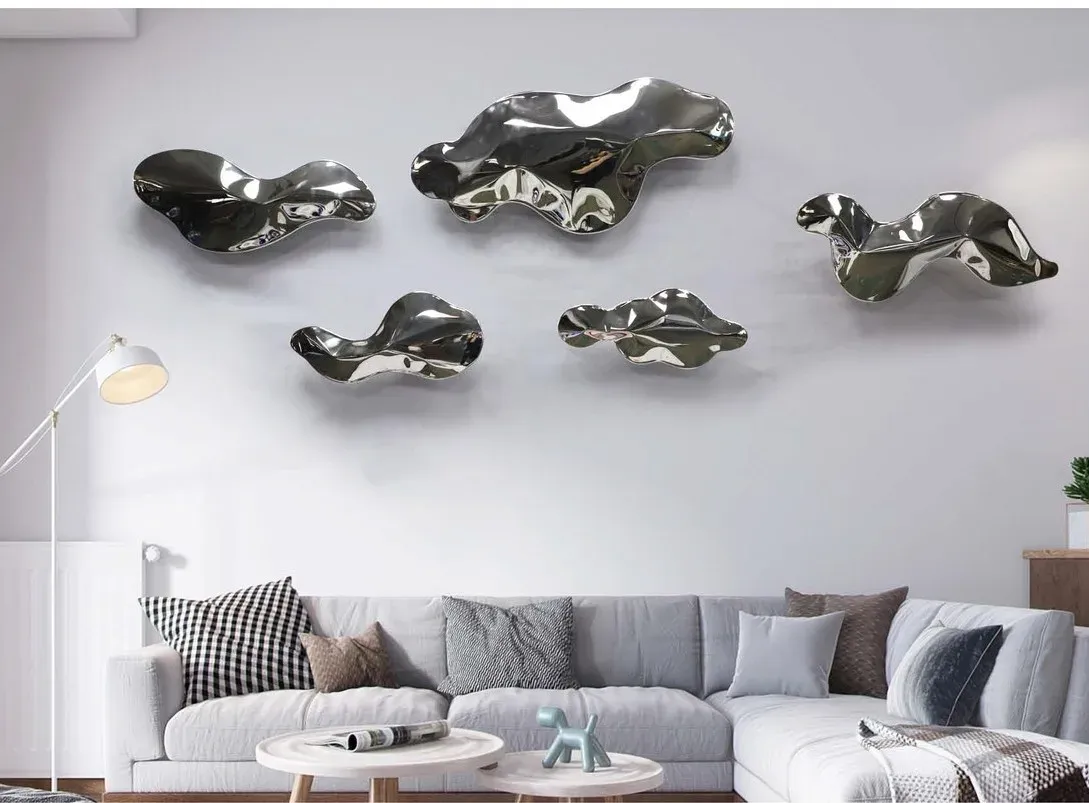
Metal artwork is specified for projects precisely because it lasts—but "lasts" and "always looks new" are two different things. The difference comes down to a few simple care habits and, just as importantly, knowing what never to do.
Stainless steel artwork and furniture do not need special products or professional maintenance in normal use. What they need is gentle, regular cleaning with the right materials, and protection from a short list of genuinely damaging things.
Routine cleaning: soft cloth, mild soap, water
For day-to-day care, a soft microfibre cloth with warm water and a small amount of mild dish soap is all that is required. Wipe the surface, rinse the cloth, wipe again to remove residue, then dry with a clean dry cloth.
Drying matters more than most people expect, especially on mirror finishes: air-drying leaves mineral spots exactly where droplets sat. A final dry wipe is what keeps polished surfaces looking freshly finished.
Clean with the grain on brushed and hairline surfaces, not against it. Wiping across the grain pushes residue into the texture and can leave visible sweep marks.
Fingerprints: why they happen and the easy fix
Mirror and polished surfaces show fingerprints; brushed and textured surfaces hide them. That is a property of optics, not of quality.
Where fingerprints are a daily nuisance—entrance doors, artwork beside corridors, frequently touched furniture—an anti-fingerprint (AF) coating can be applied to the stainless surface. It is a transparent layer that reduces the oil transfer that makes prints visible, and it is commonly specified for hotel and public-space projects at the time of manufacture.
Existing pieces can also be treated with consumer-grade stainless steel protector sprays. Test any product on a small, inconspicuous area first, and follow the manufacturer's directions.
What can genuinely damage the surface
A short list, worth knowing precisely:
- Chlorine and bleach-based cleaners, including some bathroom sprays. Chlorides attack the passive layer of stainless steel and can cause pitting. Never use them on stainless artwork or furniture.
- Abrasive pads and powders. Steel wool scratches every finish and leaves steel particles that can rust; scouring powders dull mirror and brushed surfaces permanently.
- Long contact with salty or acidic residues—coastal salt spray, spilled wine, citrus juice, some food salts. Rinse with fresh water rather than letting them sit.
- Hard water mineral build-up in wet areas. Wipe dry after cleaning in bathrooms and poolside spaces.
None of these affect a properly maintained piece in normal interiors. They are the exceptions worth designing around—coastal installations, for example, benefit from more frequent fresh-water rinsing.
Caring for PVD-coloured surfaces
PVD-coloured stainless steel—gold, champagne, rose gold, bronze, black—is cared for exactly the same way, with one difference: the colour layer is extremely thin and hard, so harsh abrasives would expose the base metal rather than "scratch the colour evenly". The gentle-cloth-and-mild-soap rule is even more important on coloured finishes.
Avoid polish creams marketed for "restoring" coloured stainless; they are formulated for bare steel and can dull PVD tones. The colour stability of a proper PVD layer is one of its main advantages—routine gentle cleaning is all it asks. The different colour families and their behaviour are covered in PVD finishes explained.
Mirror vs brushed: different care emphasis
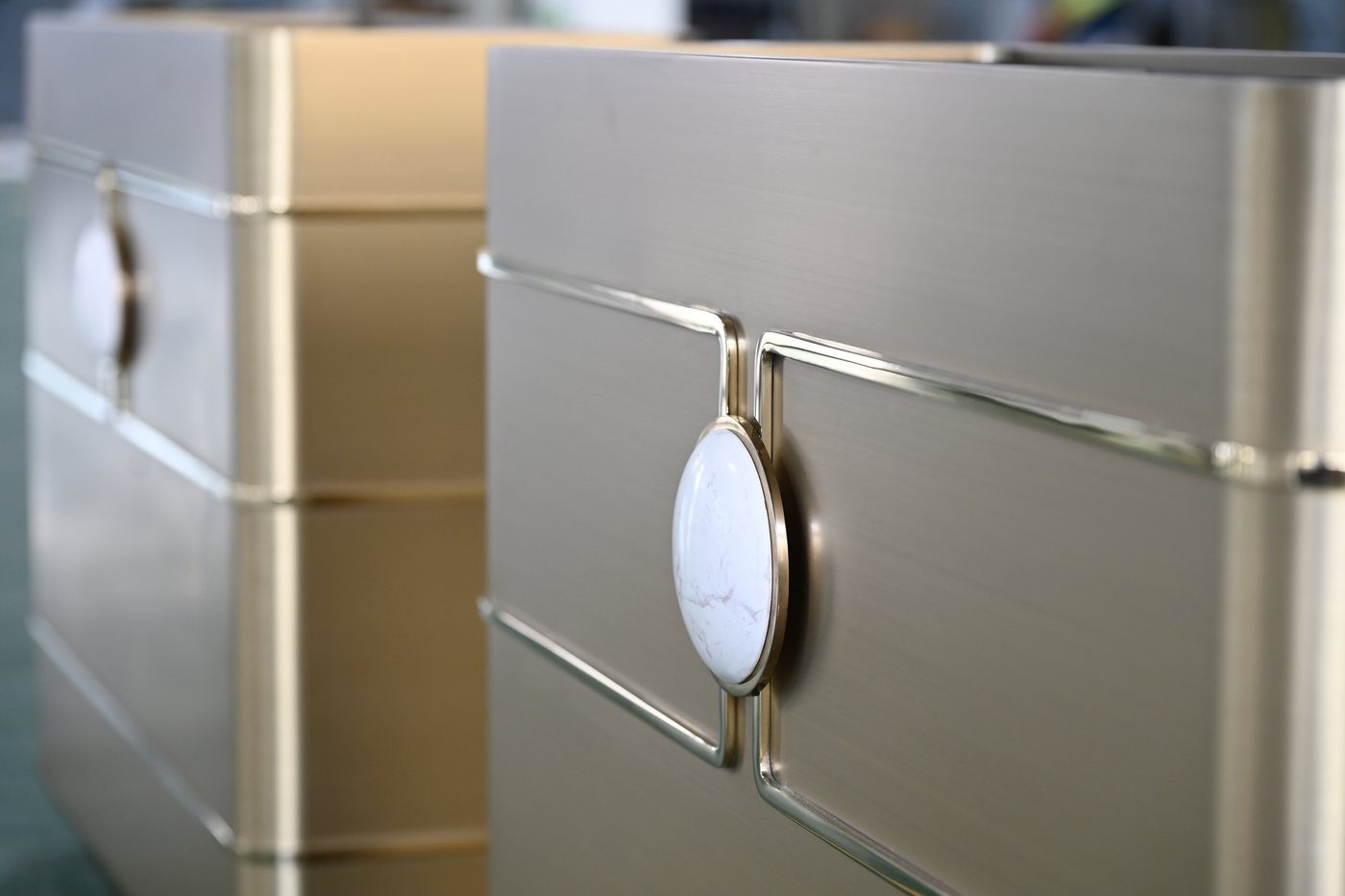
Both finishes use the same cleaning method, but the emphasis differs. Mirror finishes show water spots, fingerprints and dust immediately—more frequent quick wiping keeps them brilliant. Brushed finishes hide fingerprints and light marks; their main requirement is cleaning along the grain so the texture stays uniform.
This is a design consideration as much as a care one: high-touch, high-traffic positions are often better suited to brushed or textured finishes for exactly this reason.
Outdoor and coastal installations
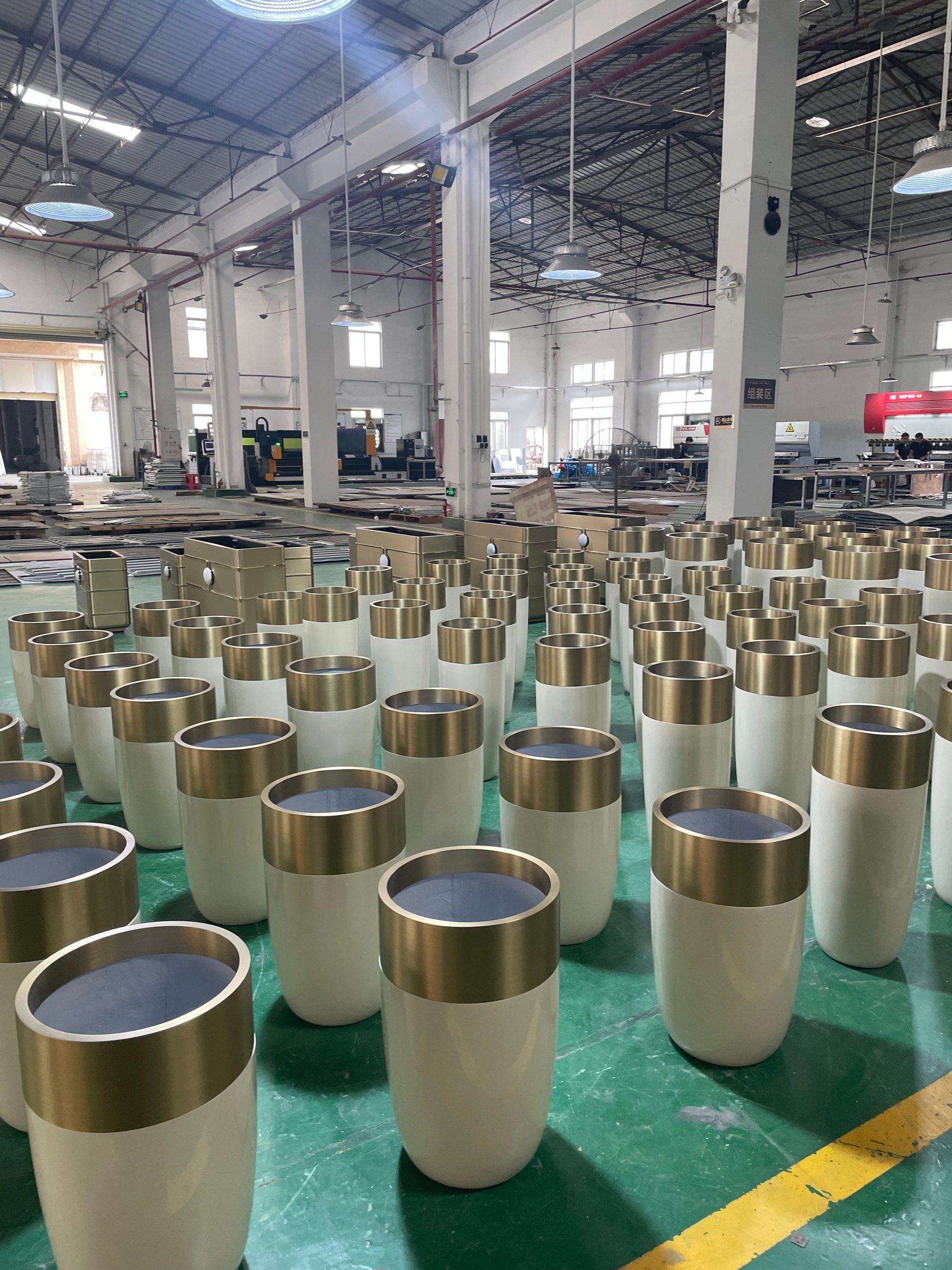
Stainless steel artwork in covered outdoor spaces needs occasional fresh-water rinsing to remove dust and salt, plus drying. In direct-weather and coastal locations, specify 316-grade stainless rather than 304, confirm the fixings are likewise corrosion-resistant, and plan a gentle rinse cycle—weekly in exposed coastal sites, monthly in sheltered ones. These are practical starting points to confirm with the manufacturer for your specific location, not universal rules.
Keeping commercial installations looking new
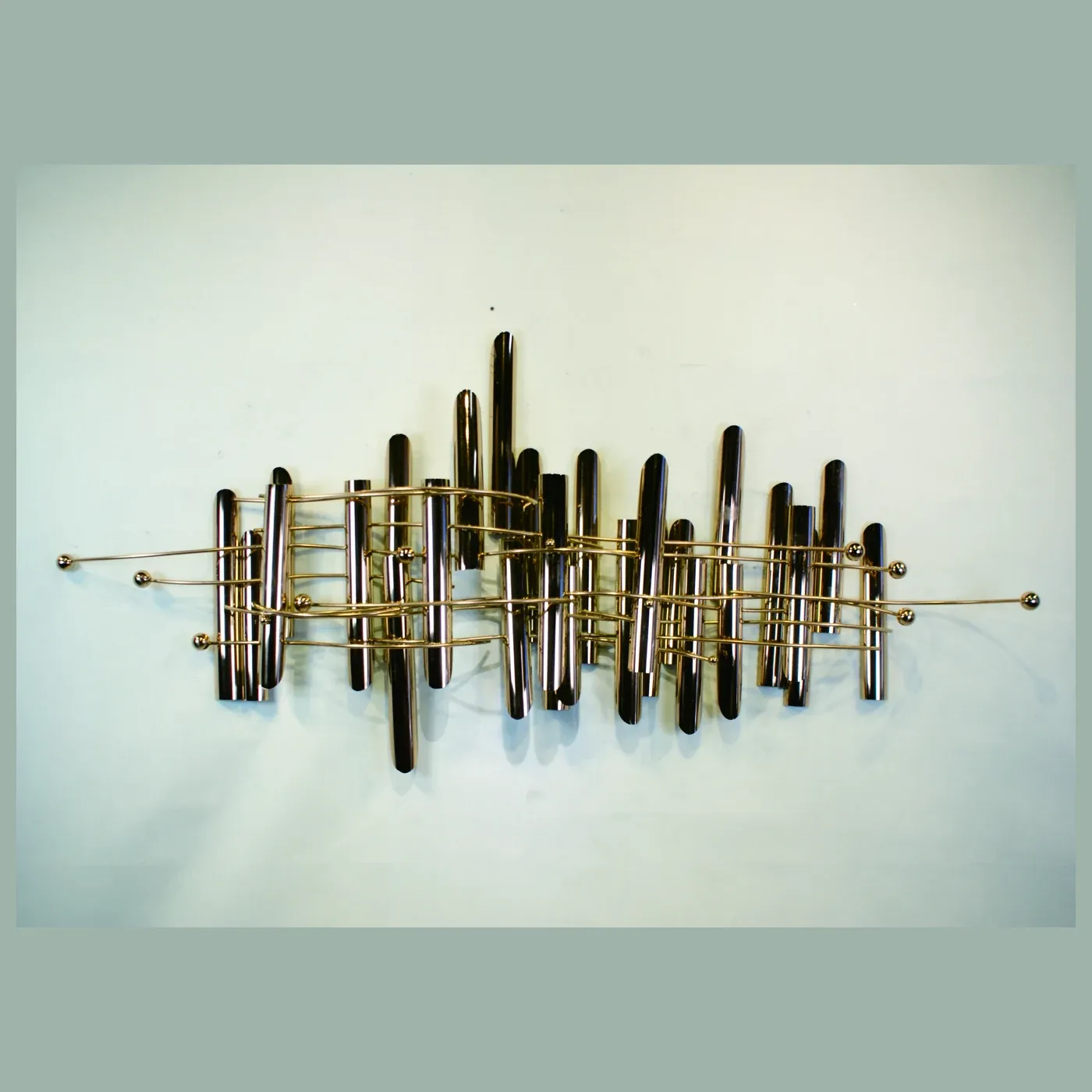
For hotels and restaurants, the care routine is usually folded into the existing housekeeping schedule: dry-dusting during daily service, a proper wipe-down on the periodic deep-clean rota, and a note in the maintenance manual about what must never be used. Artwork supplied for projects should arrive with a care sheet—if it does not, ask for one.
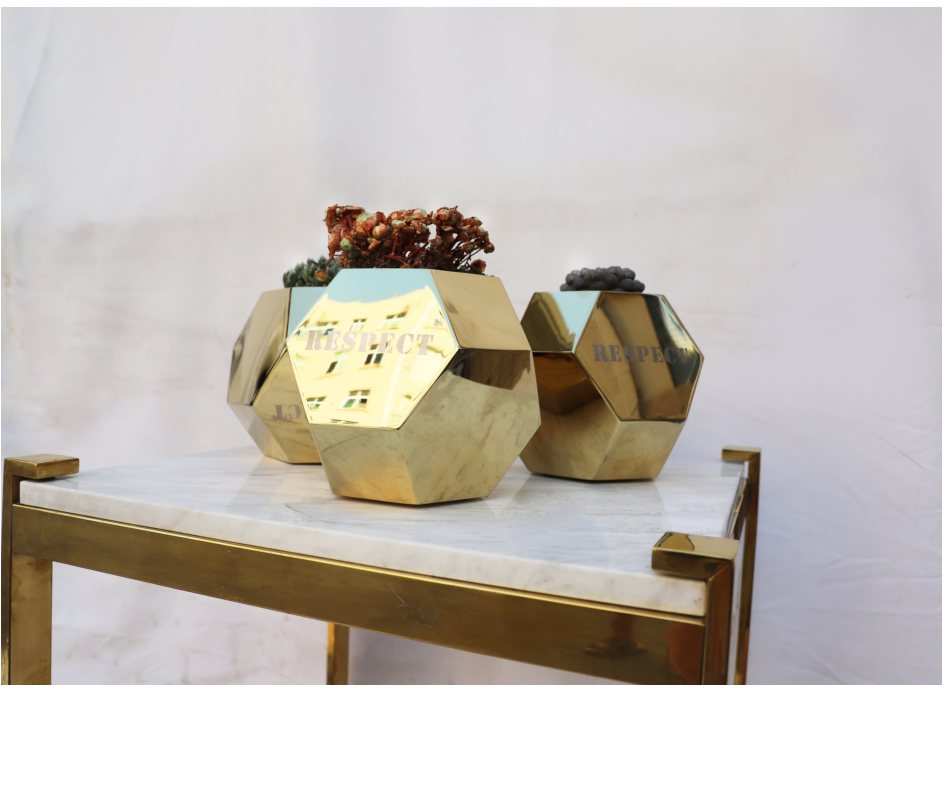
Well-made metal artwork is one of the lowest-maintenance statement materials an interior can specify. Browse the KingDeco Studio collection, or contact the studio for a care sheet specific to your pieces and installation environment.