Sep 13, 2026Buying Guides
PVD Finishes Explained: How to Choose the Right Colour and Finish for Your Project
What is a PVD finish on stainless steel? Compare gold, champagne, rose gold, bronze and black PVD colours, and learn how to choose the right finish for your interior project.
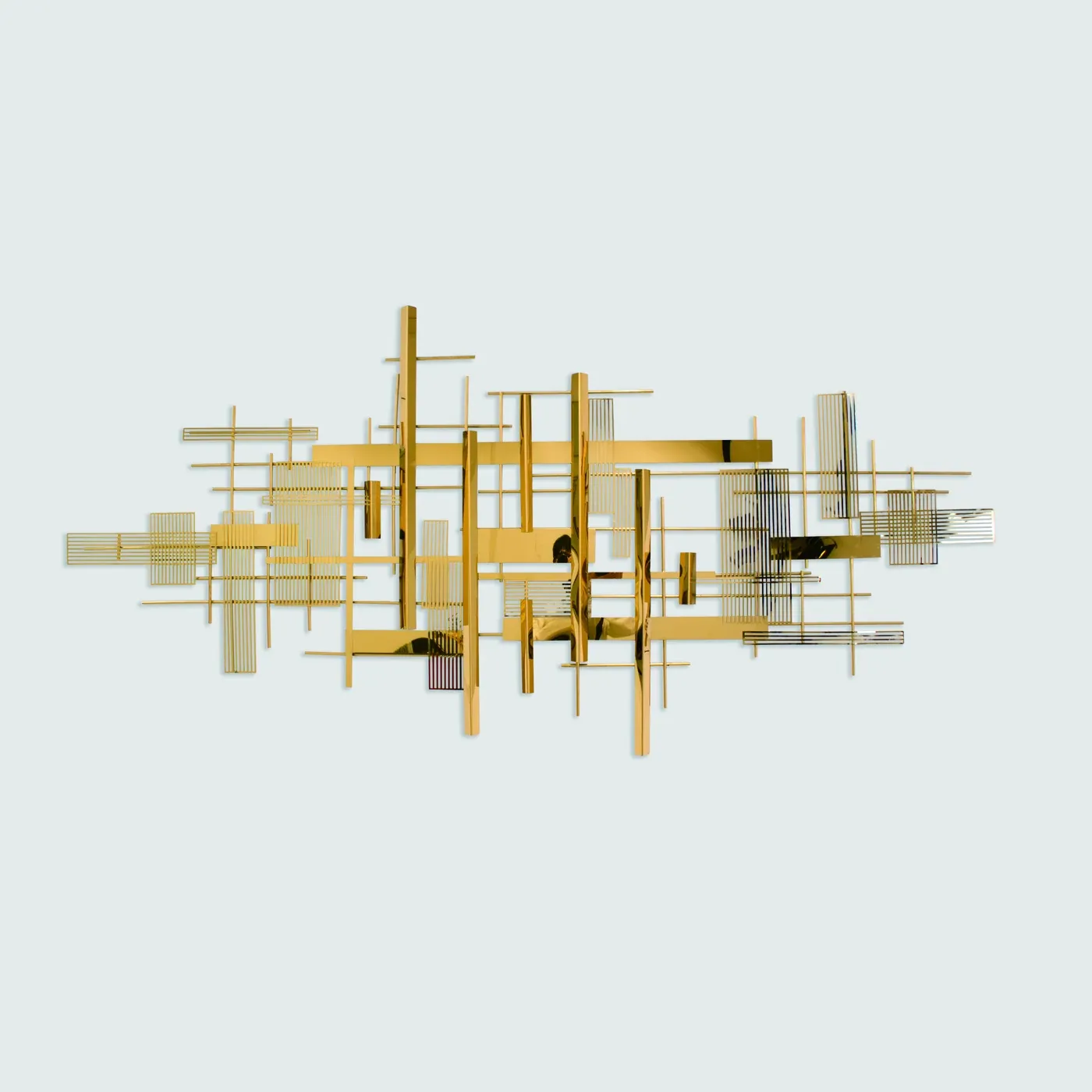
If you have browsed stainless steel furniture or wall art, you have seen finishes described as gold PVD, champagne, rose gold or black. Understanding what PVD actually is—and what it can and cannot do—makes choosing between these finishes far easier.
What PVD actually means
PVD stands for Physical Vapour Deposition. In simple terms, the finished stainless steel piece is placed in a vacuum chamber where metal vapours are deposited onto the surface at high temperature, forming a hard, thin ceramic-metallic layer. The colour comes from the deposited material and process gases, not from paint or plating.
Because the layer is bonded at a molecular level rather than sitting on top of the surface, PVD finishes are known for better wear and corrosion resistance than conventional spraying or electroplating. They also keep the metal's natural depth: light still reflects through the coloured layer rather than off a plastic-looking coating.
Two practical notes from production: PVD colours are consistent within one production run but should be approved against a sample for colour-critical projects; and the underlying surface finish (mirror, brushed, hairline) still shows through the PVD layer, so "gold mirror" and "gold brushed" are two different looks.
The common colour families
Gold and champagne
The most requested family. Gold PVD ranges from pale champagne to deep antique gold. It pairs naturally with marble, walnut, fluted glass and warm neutral palettes, which is why it dominates hospitality lobby and reception specifications.
Rose gold and copper tones
Softer and warmer than yellow gold. Rose-gold stainless steel works particularly well in boutique retail, beauty and residential projects where the metal should feel warm without the formality of yellow gold.
Bronze and smoked tones
Bronze PVD offers an aged, architectural character. Combined with textured or woven surfaces it reads historic and crafted rather than shiny, which suits restaurants, clubs and wine-room projects.
Black and gunmetal
Black PVD over a brushed or micro-textured base produces a matte architectural surface with real depth. It is the standard choice for contemporary minimalist schemes and pairs cleanly with glass, concrete and dark timber.
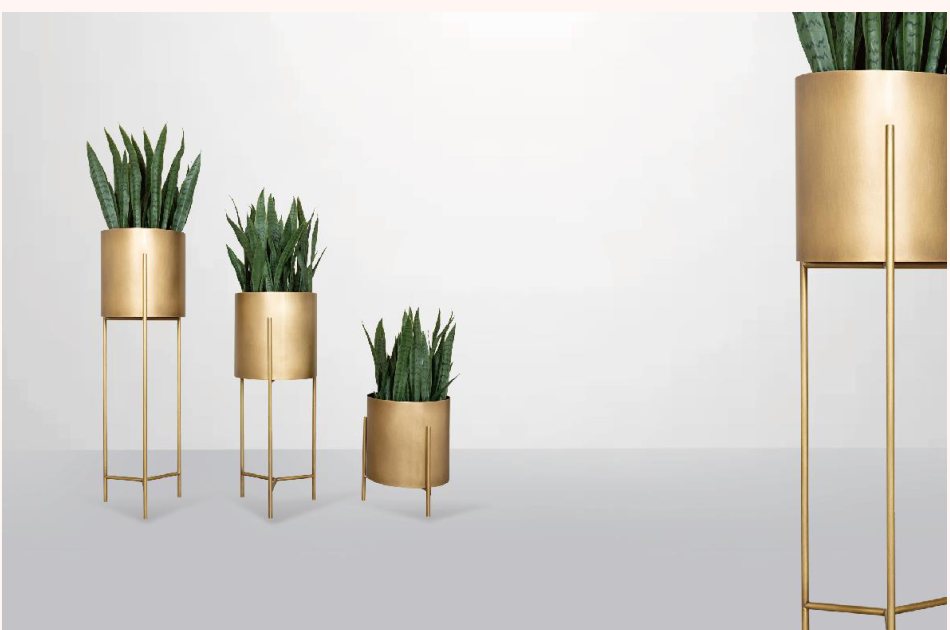
How to choose: match the finish to the interior, not the catalogue
Three questions settle most finish decisions:
- What is the dominant temperature of the interior—warm (timber, brass, cream stone) or cool (grey stone, glass, chrome)?
- How reflective should the piece be—a focal point that catches light, or a quiet texture that supports it?
- What will the piece touch in daily use—hands, keys, cleaning chemicals?
A gold PVD sculpture in a marble-and-timber lobby becomes the centrepiece. The same gold in a room full of chrome and mirrors competes for attention. The wider selection framework—scale, installation, lighting and concept—is in how to choose metal artwork for commercial interiors. Black PVD disappears elegantly against dark walls but needs stronger lighting to read against deep colours.
For the two foundational stainless finishes without colour, the comparison in mirror vs brushed stainless steel applies directly—PVD simply adds colour on top of either base.
Where each family tends to be used
From project practice: gold and champagne dominate hotel lobbies, reception features and premium residential spaces; rose gold appears in beauty retail and boutique hospitality; bronze suits restaurants, clubs and wine-themed interiors; black and gunmetal anchor corporate and minimalist retail schemes. These are tendencies, not rules—the surrounding materials always decide.
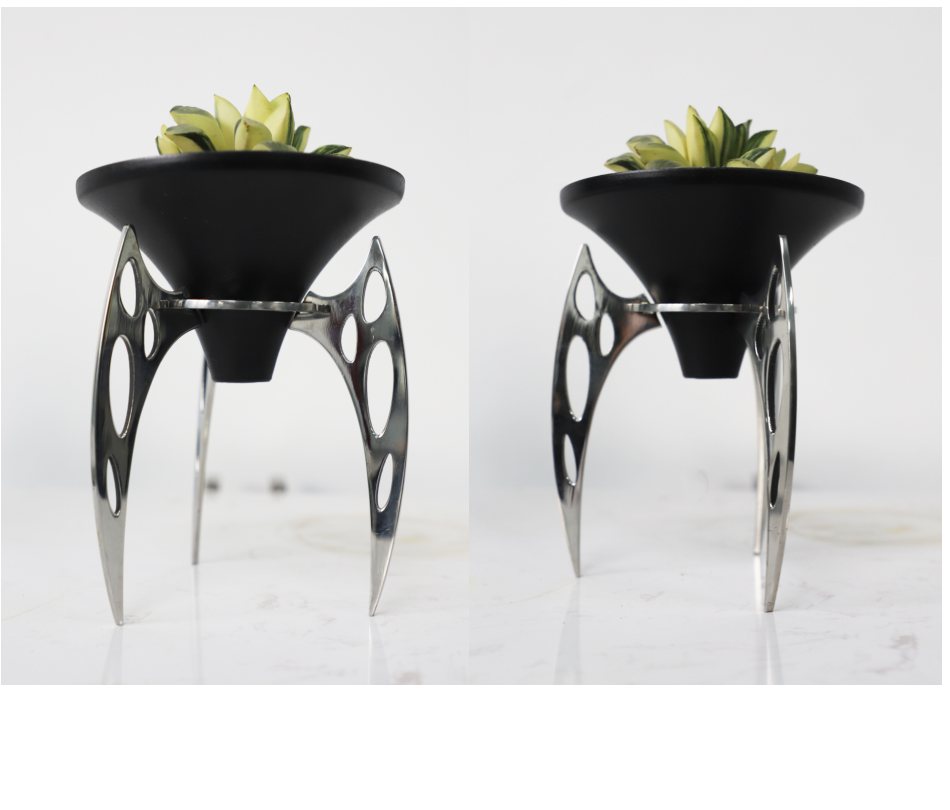
Combining PVD with surface texture
The most successful specifications treat colour and texture as one decision. A champagne finish over a mirror base reflects the room and moves as viewers walk past. The same champagne over a hairline base reads calmer and more architectural. Textured surfaces also practical benefits: fingerprints and minor scratching are far less visible on brushed or textured PVD than on mirror PVD.
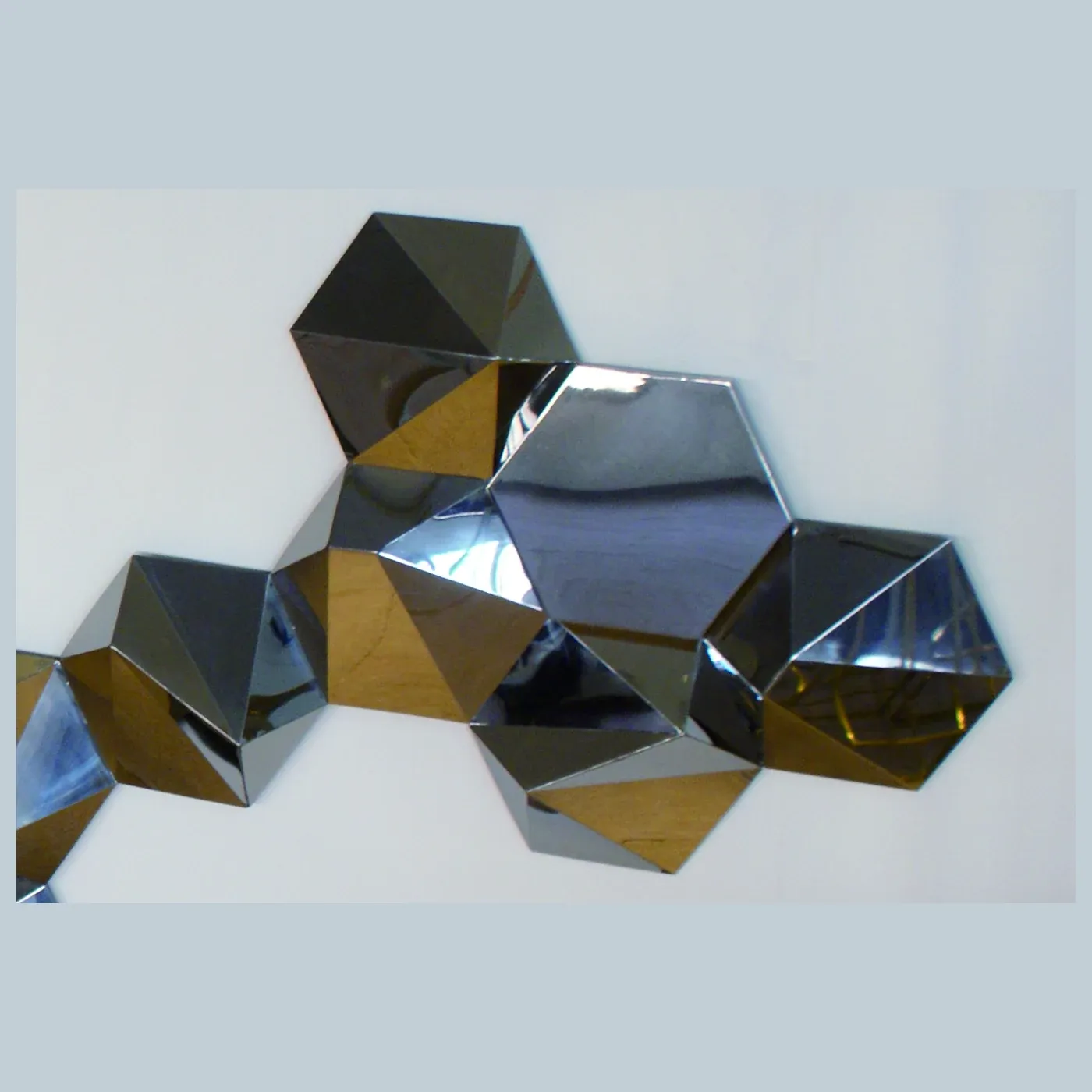
Modular pieces show the same principle at wall scale: the faceted hexagon tiles below combine polished brass with dark nickel faces, so the surface shifts between warm and cool as the viewing angle changes—colour and texture doing the work a single flat finish cannot.
Specifying PVD for a project
When requesting a quotation, state the colour reference (champagne, gold, rose gold, bronze, black), the underlying base finish (mirror, brushed, hairline or textured), and where the piece will be installed. For colour-critical projects, ask for a finish sample before production—reputable manufacturers expect this.
KingDeco Studio produces PVD-finished metal artwork, furniture and planters in Zhongshan, Guangdong, with colour and finish samples available before production. Explore the metal artwork collection or send us your project requirements to discuss finish options.