Sep 9, 2026Buying Guides
How to Choose Metal Artwork for Commercial Interiors: 6 Questions to Ask Before Ordering
Choosing metal artwork for a hotel, lobby, office or retail project? Consider scale, material, finish, installation, viewing distance and customization before ordering.
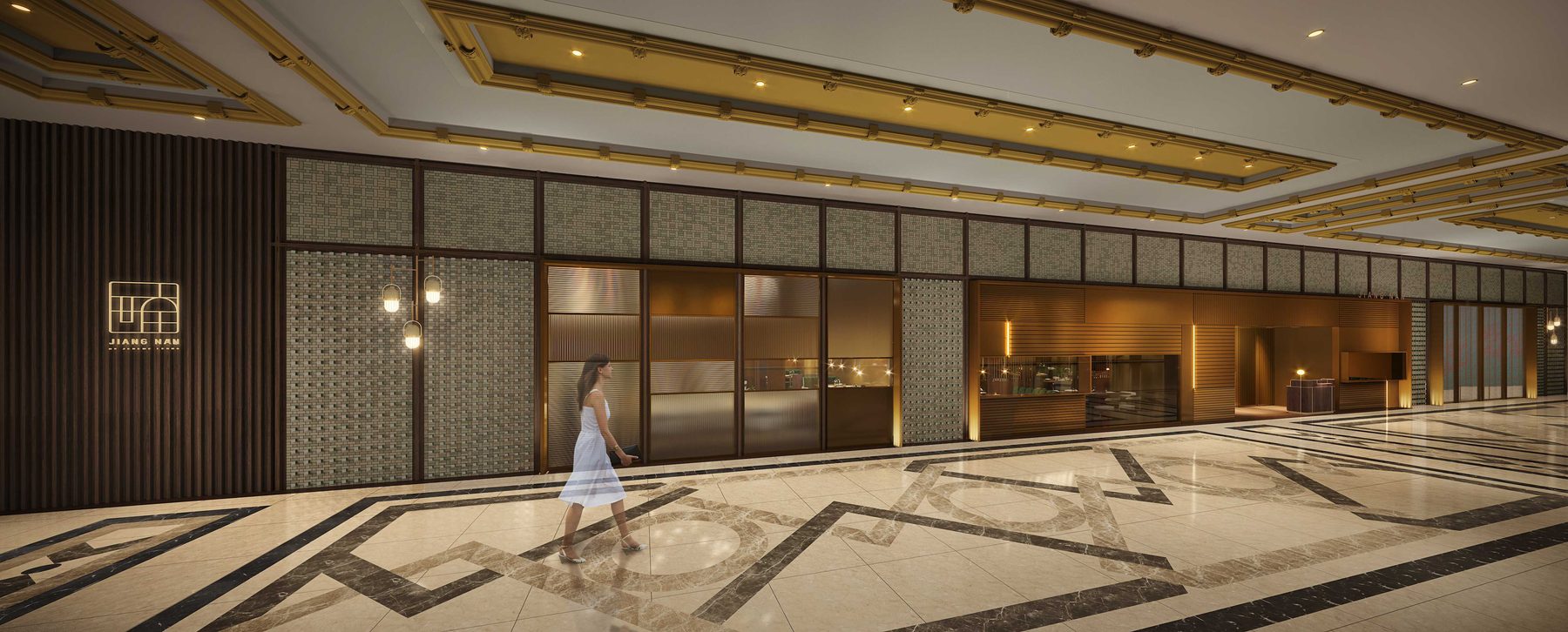
Metal artwork is often selected for its visual impact, but for commercial interiors, appearance is only part of the decision.
A piece that looks impressive in a product image may feel too small in a hotel lobby, reflect too much light in a brightly lit reception area, or become unnecessarily complicated to install on site.
For designers, contractors and procurement teams, the better question is not simply:
"Do we like this artwork?"
It is:
"Will this artwork work in this particular space?"
Before specifying a metal wall sculpture or freestanding artwork, consider these six questions.
1. Where will the artwork be used?
Start with the space rather than the artwork.
A decorative piece for a private residence and a feature artwork for a hotel lobby may look similar in photographs, but the project requirements can be very different.
Metal artwork can work particularly well in:
- hotel lobbies and reception areas
- restaurants and clubs
- corporate offices
- retail stores and showrooms
- lift lobbies and corridors
- residential entrance halls
- feature walls
- public and hospitality spaces
Consider how people will experience the piece.
Will they see it from ten metres away when entering a lobby? Will they walk directly beside it in a corridor? Or will it sit behind a reception desk where it becomes part of the overall interior composition?
The environment should determine the artwork—not the other way around.
For commercial projects, this also affects material selection, surface finish, fixing method and maintenance requirements.
2. What scale does the space actually require?
This is one of the most common mistakes when selecting artwork online.
A 1000 mm-wide sculpture may appear substantial against a white background. Place the same piece on a six-metre-wide hotel wall and it can suddenly look surprisingly small.
Before deciding on size, consider:
Wall dimensions
How much visual space does the artwork need to occupy?
Viewing distance
Artwork viewed from across a lobby normally requires a stronger scale than a piece viewed from two metres away.
Furniture relationship
If the artwork sits above a console, reception desk or sofa, its proportion should relate to the furniture beneath it.
Visual role
Is it a subtle accent or the main focal point of the space?
For larger spaces, increasing the dimensions is not always the only solution. A composition can also be created from several individual elements, allowing the installation to occupy a larger area while maintaining visual lightness—for example, a single statement piece or a grouped composition.
A useful rule:
Do not choose artwork size from the product photograph alone. Evaluate it against the actual elevation. The wall art size and placement guide covers the measurement basics in detail.
For bespoke projects, providing the wall dimensions or interior elevation allows the artwork proportions to be adjusted before production.
3. How will it be installed?
Installation should be considered before ordering, not when the artwork arrives on site.
Metal artwork can be designed as:
- wall-mounted artwork
- suspended artwork
- freestanding sculpture
- tabletop sculpture
- pedestal-mounted artwork
- multi-piece wall installation
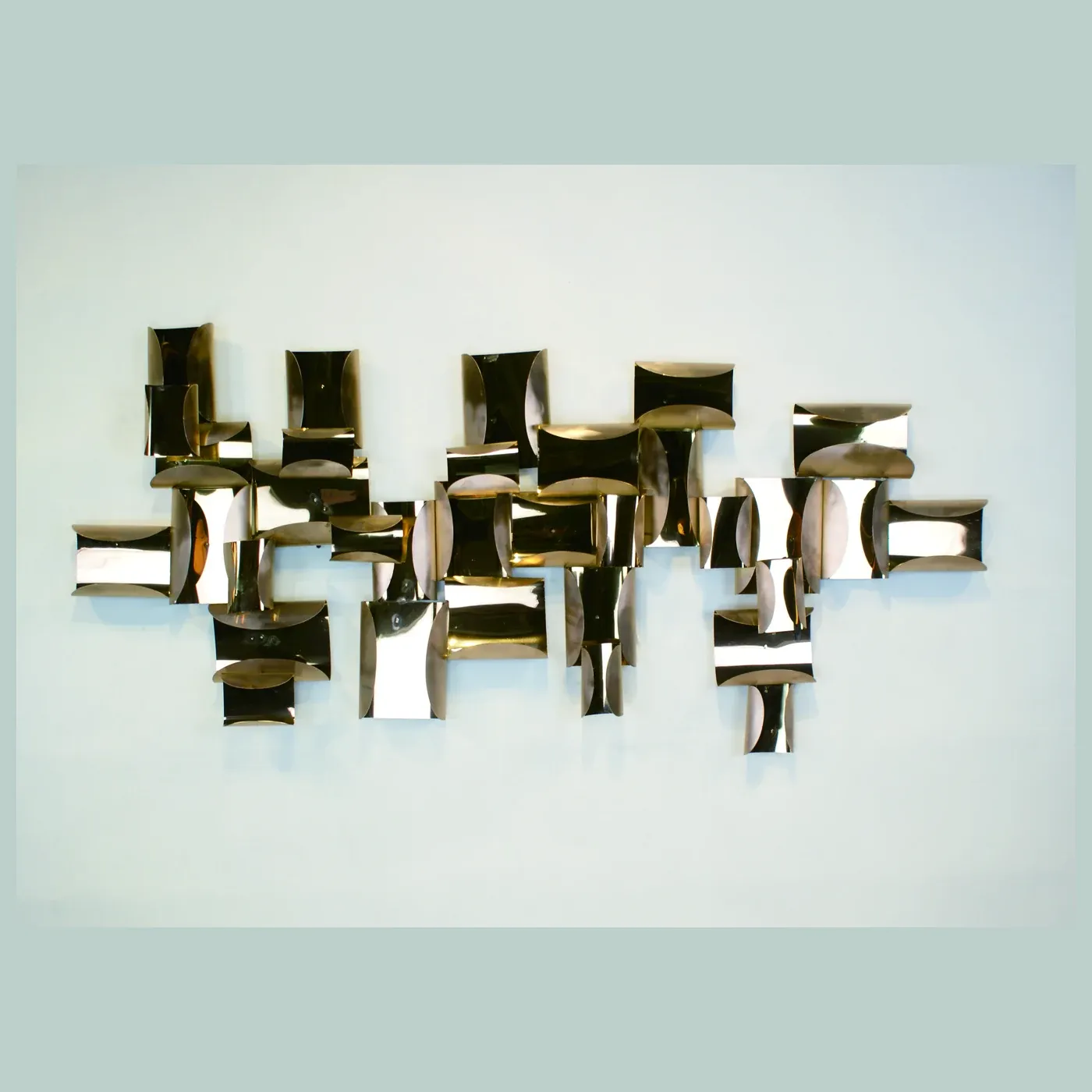
For wall-mounted pieces, the fixing system should take into account the artwork weight, wall construction and required distance from the finished wall surface.
Some artworks benefit from sitting slightly away from the wall. This creates shadows and depth, particularly with directional architectural lighting.
For larger bespoke pieces, the artwork may also need to be divided into sections for transportation and assembled on site.
Before production, the supplier should therefore understand:
wall type + artwork dimensions + approximate weight + fixing condition + installation access.
This is particularly important for international projects, where installers may never meet the manufacturer directly.
A well-designed artwork should not only look good—it should be straightforward for the site team to understand and install.
4. What material and finish suit the design?
"Metal artwork" can describe very different visual effects.
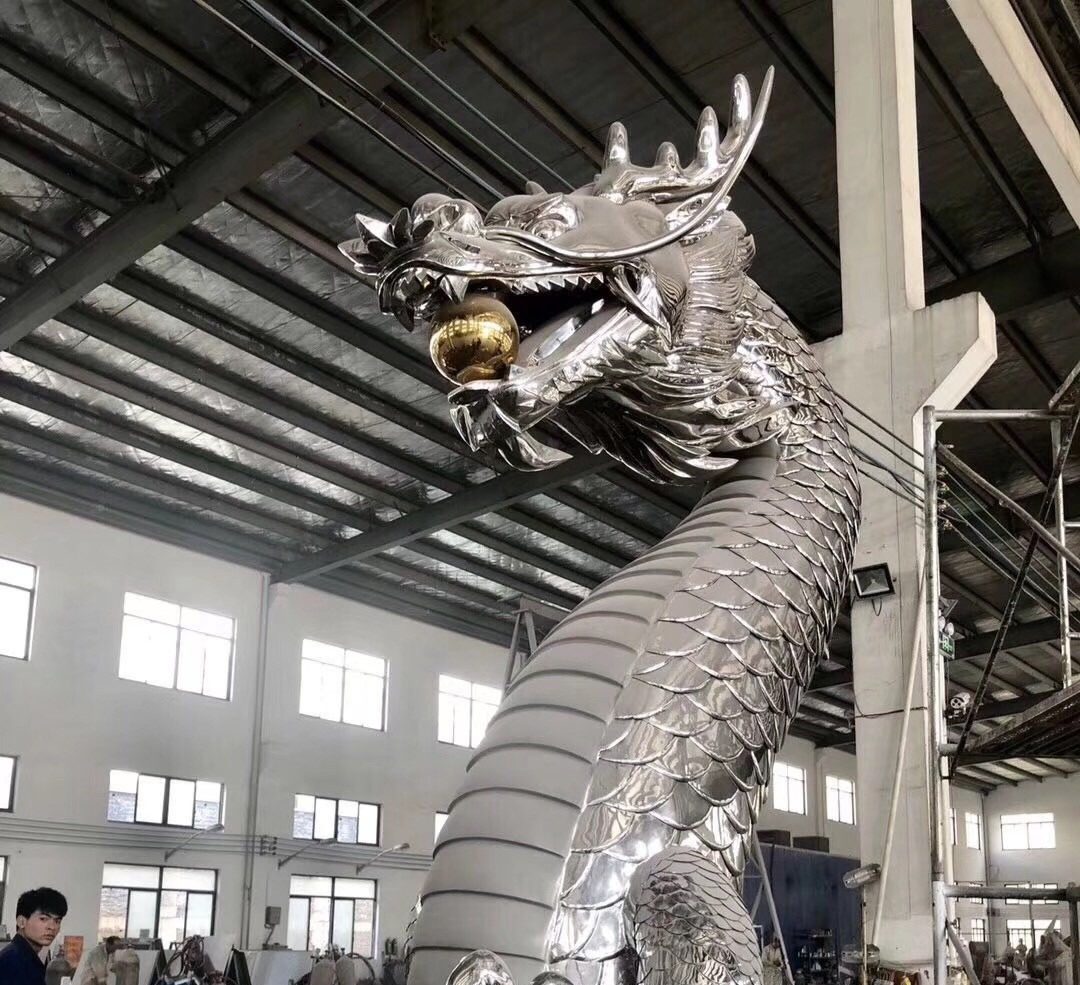
Stainless steel is particularly versatile because its surface can range from highly reflective to relatively subtle.
Common options include:
Mirror polished stainless steel
Creates strong reflections and works well for contemporary statement pieces. The trade-offs between the two main finishes are compared in mirror vs brushed stainless steel.
Brushed stainless steel
Produces a softer architectural appearance with less intense reflection.
PVD-coloured stainless steel
Allows champagne, gold, bronze, rose-gold and darker metallic tones while retaining the characteristics of stainless steel.
Combination finishes
Mirror and brushed surfaces can be used together to create contrast and depth.
The finish should be selected in relation to the surrounding interior rather than independently.
A highly polished gold sculpture may become the focal point in a restrained stone interior. The same finish in an already reflective environment could compete with other materials.
Ask:
What is this artwork supposed to contribute—reflection, texture, colour, movement or contrast?
That answer usually makes finish selection much easier.
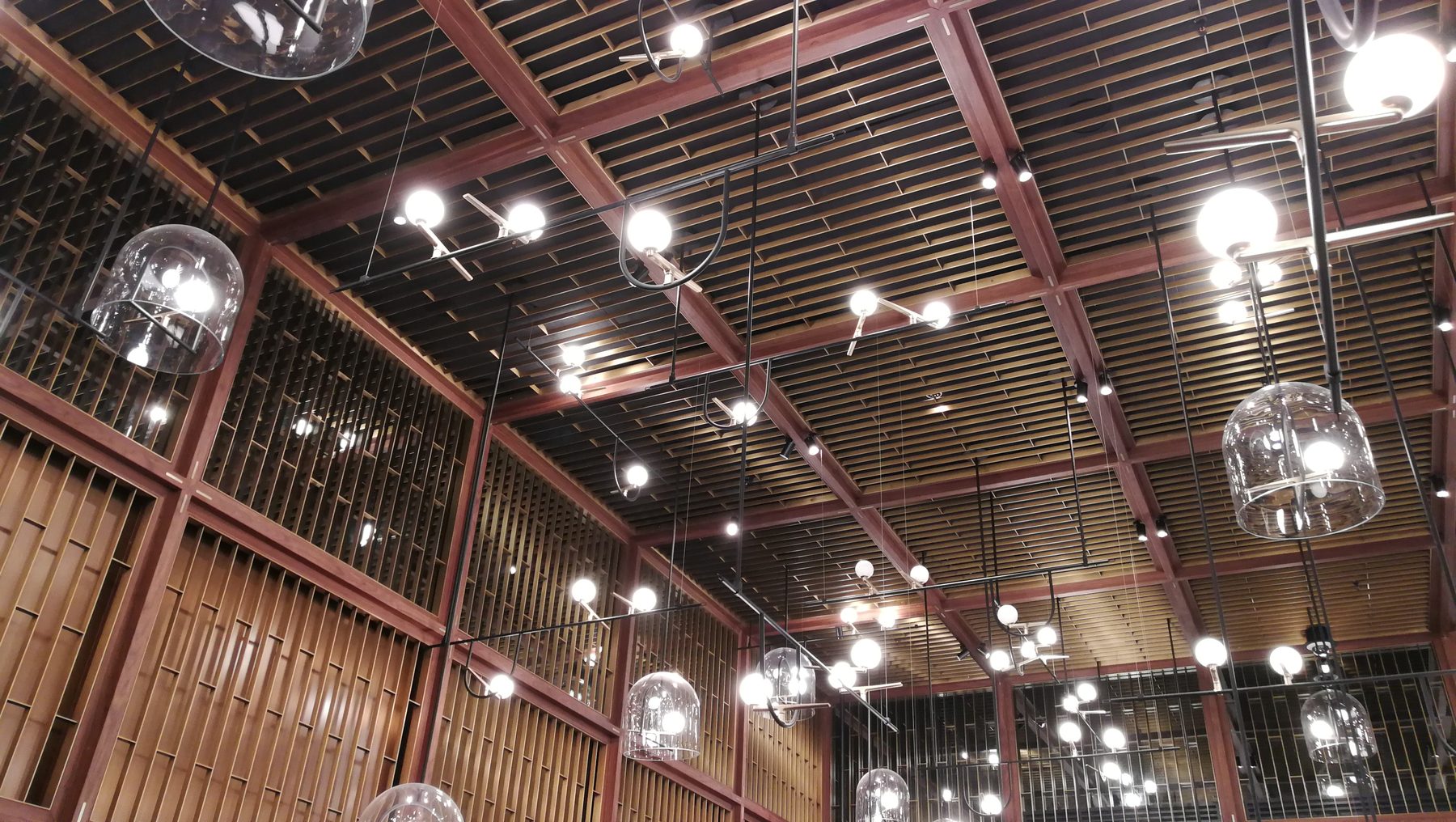
5. How does lighting change the artwork?
Metal is unusually responsive to its surroundings.
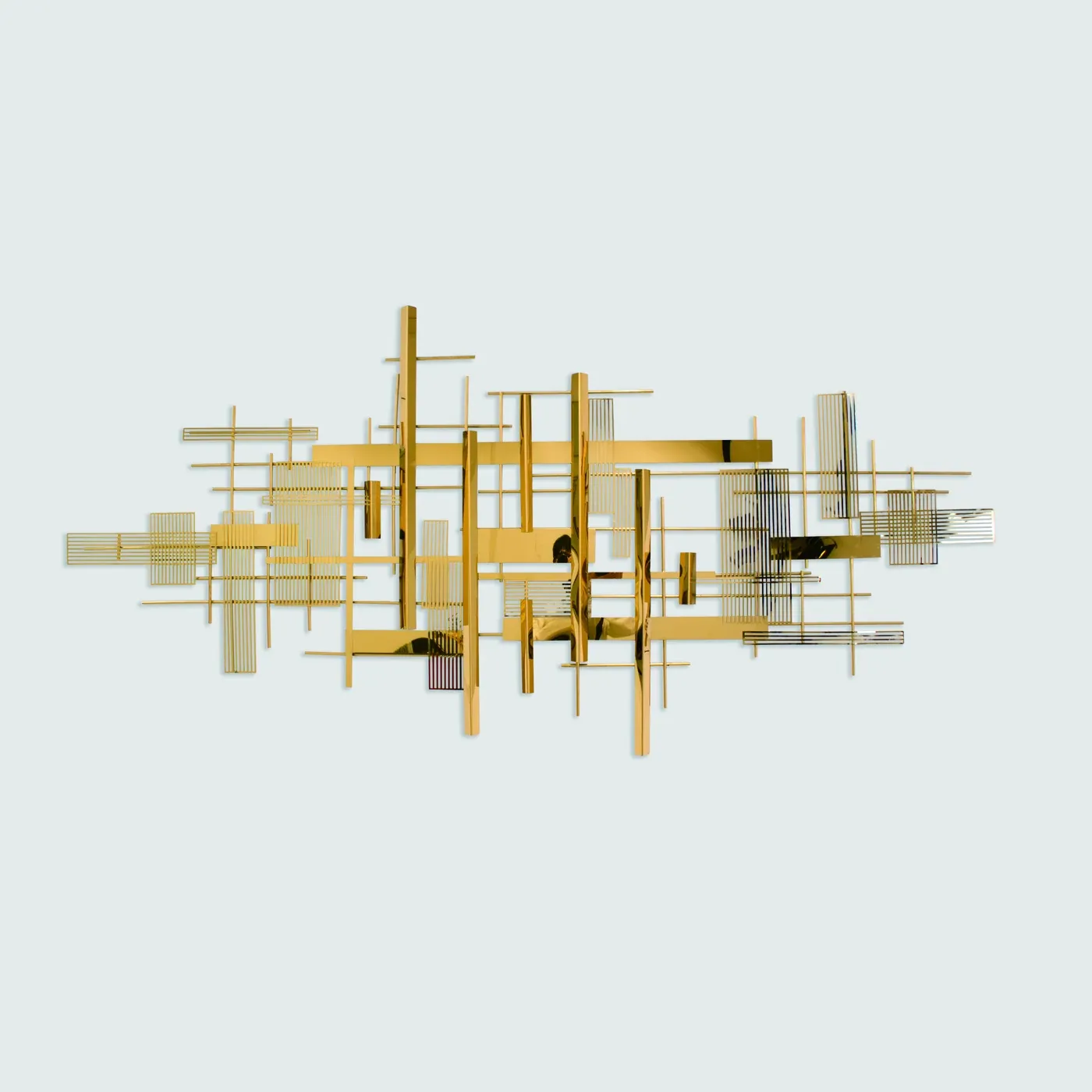
Unlike a flat painted surface, polished and textured metal changes throughout the day as people, light and colours move around it.
This can be one of its greatest advantages.
Directional lighting can reveal:
- folded surfaces
- hammered textures
- layered elements
- curved forms
- perforations
- shadows between the artwork and wall
But highly reflective finishes also need to be considered carefully around windows, spotlights and strong ceiling lighting.
For an important feature wall, evaluate the artwork and lighting as one composition rather than two separate specifications.
This is especially relevant in hotels, restaurants and luxury retail interiors, where lighting often determines how the piece is ultimately perceived.
6. Does the artwork support the design concept?
The final question is the most important.
Artwork should not simply fill an empty wall.
It should have a reason to be there.
A piece might introduce movement into a restrained interior, echo the geometry of an architectural element, bring warmth into a stone-and-timber palette, or create a memorable feature behind a reception desk.
For hospitality and retail projects, artwork can also reinforce a broader story—location, landscape, brand identity, cultural references or the overall design narrative.
That does not necessarily require commissioning an entirely new sculpture.
An existing design can often be adapted through:
- dimensions
- arrangement
- colour
- surface finish
- orientation
- number of elements
- mounting configuration
This is where customization becomes more useful than simply offering more products.
Existing Design or Bespoke Artwork?
Not every project requires a completely bespoke piece.
Starting from an existing design is often faster and makes it easier for the project team to understand the final appearance.
However, if the wall dimensions, design language or project concept require something specific, the artwork can be developed around the project.
an interior rendering, wall elevation, reference image or required dimensions.
From there, we can explore suitable scale, material, finish and construction options.
What to Send When Requesting a Quote
You do not need a complete technical specification before contacting us.
For an initial discussion, these are usually enough:
- Reference image or artwork style you like
- Approximate overall dimensions
- Wall elevation or interior rendering, if available
- Preferred metal colour or finish
- Project location and required delivery date
For designers working at an early concept stage, we can also start from the space rather than from a specific product.
The simplest way to choose
When comparing metal artwork for a commercial project, remember these six questions:
Where will it go?
How large should it be?
How will it be installed?
Which material and finish suit the interior?
How will lighting affect it?
What role does it play in the design concept?
If those questions have clear answers, the artwork is much more likely to feel intentional once installed.
Looking for artwork for a project?
Explore the KingDeco Studio Artwork Collection, or send us your interior rendering, wall dimensions or reference image.
We can help adapt the scale, finish and configuration to suit your space.
[Explore Artwork](https://www.kingdecostudio.com/products?category=wall-art) | [Discuss a Bespoke Piece](https://www.kingdecostudio.com/contact-us)