Sep 30, 2026Buying Guides
Metal Artwork for Restaurants, Bars and Clubs: Where It Works Hardest
Where metal artwork works hardest in restaurants, bars and clubs—entrances, feature walls, bars and private dining—plus what to consider before ordering for hospitality projects.
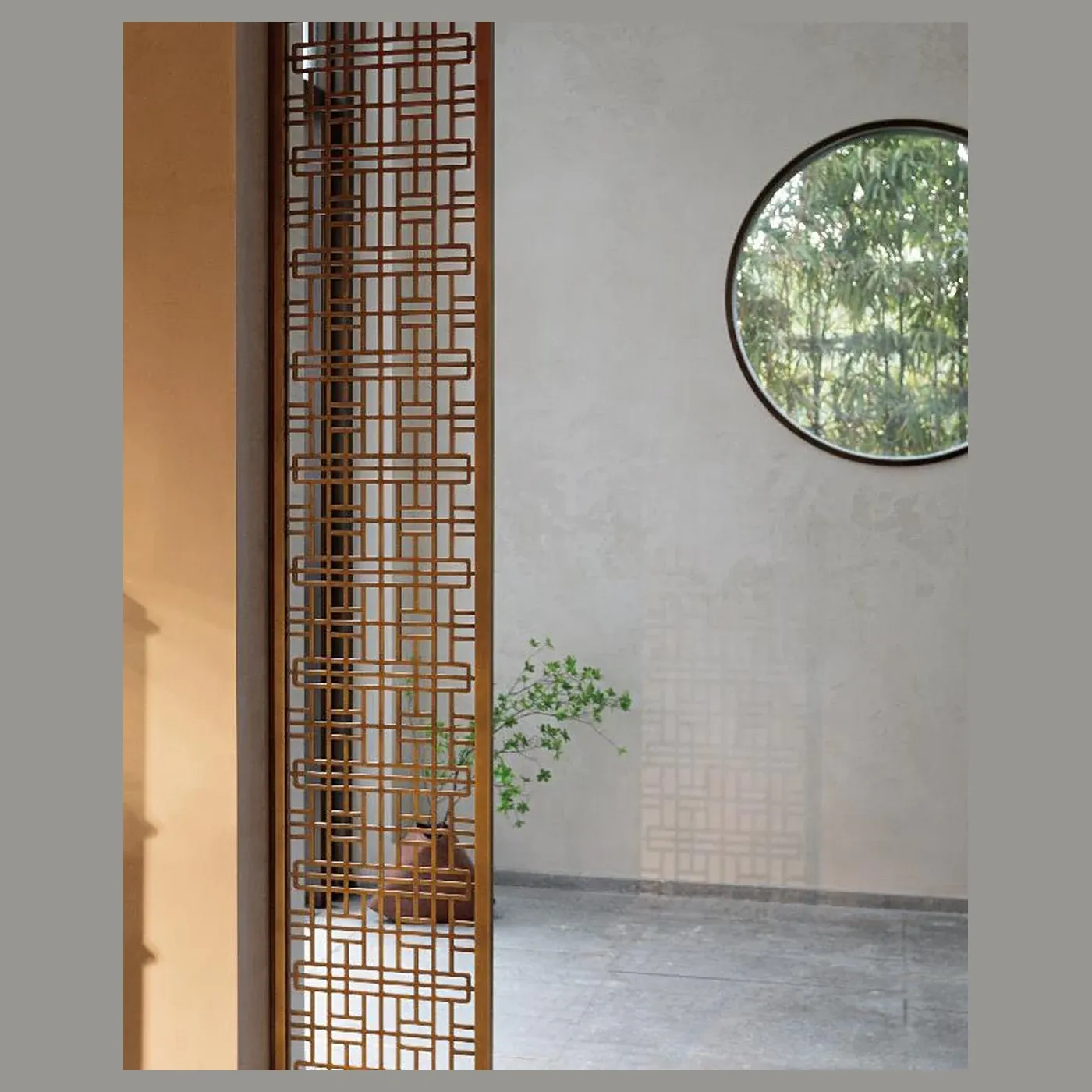
Hospitality interiors put artwork through a test that galleries never do. Guests arrive in low light, sit close to surfaces, brush past partitions, and stay for hours under coloured lighting. Metal artwork earns its place in restaurants, bars and clubs because it performs in exactly those conditions: it reads at a distance, reflects candlelight and LEDs beautifully, shrugs off contact, and carries a brand's character in a way printed art rarely does.
The question is not whether metal suits hospitality—it is where it works hardest, and what to consider before ordering.
The entrance: setting the tone in the first three metres
The entrance sequence is where artwork does its commercial work. Guests form their impression in the first steps; the piece they meet there sets the register for everything after it.
Entrance positions favour pieces with strong silhouette and reflective depth—works that read immediately in the corner of the eye rather than requiring attention. Bronze and champagne finishes under warm entrance lighting create the "arrived somewhere special" effect that hospitality briefs usually describe.
At the entrance, the artwork also works as a backdrop: diners photograph it, and those photographs travel. Considering how the piece appears in phone photos—against the logo, beside the host desk—is a modern and practical part of the brief.
The bar and counter: artwork that survives proximity
The bar is the brightest, busiest, most touched zone in any venue. Artwork behind the bar is viewed at close range all night, under changing light.
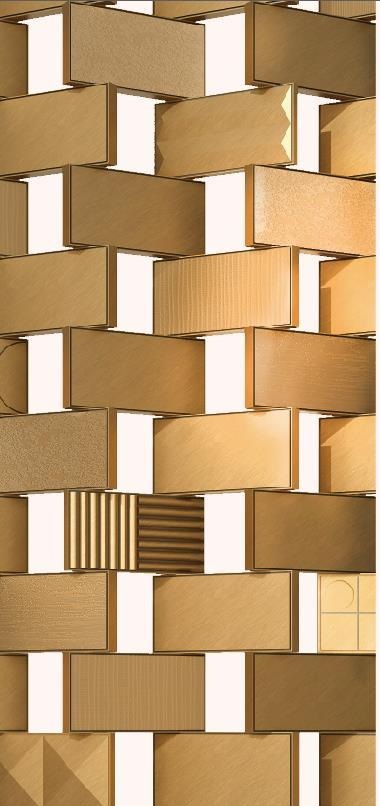
Here, finish selection matters more than motif. Brushed and textured surfaces hide fingerprints and splashes; mirror elements amplify bottle displays and lighting; darker PVD tones hold their own against backlit shelving. Relief and layered metalwork catches the eye from the street as well as from the stool.
Durability specification belongs in this conversation: bar-adjacent artwork should be fixed securely, cleanable with the venue's normal chemicals (avoiding the chlorine-based ones that harm stainless), and detailed without crevices that collect grease.
Feature walls and screening: dividing without closing
Open-plan restaurants and clubs live and die by their spatial rhythm—dining areas, bar zones and private corners need definition without solid walls that block sightlines and light.
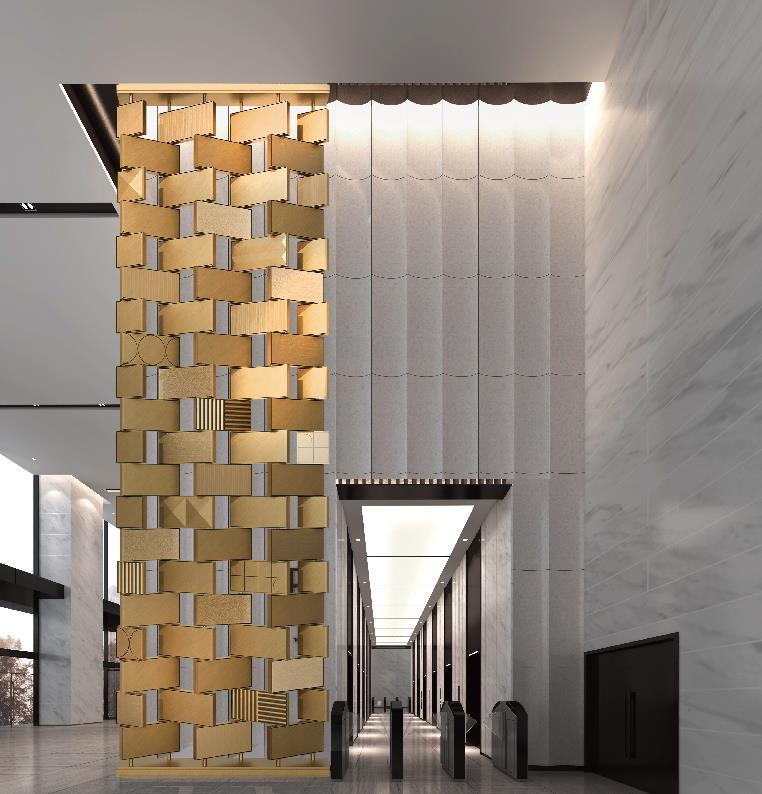
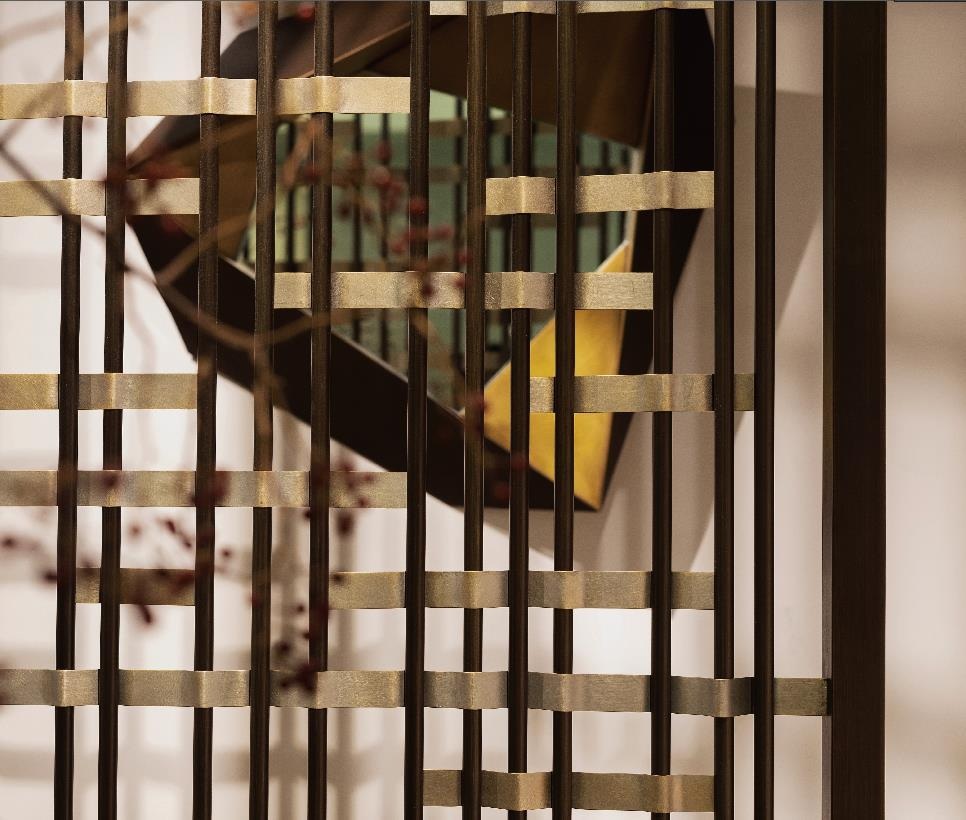
Perforated and woven metal screens are the hospitality workhorse for exactly this: they divide, filter light, create intimacy at the tables behind them, and are themselves the artwork. A screen wall can be the largest visual element in the venue and still let the space breathe.
Ceiling-hung and suspended metalwork extends the same idea to the vertical plane—slatted ceilings, suspended sculptures and hanging screens define zones from above while keeping floors flexible for service.
Private dining and club rooms: the memorable piece
Private dining rooms and club lounges are photographed more per square metre than any other part of a venue. One memorable piece—one sculpture that belongs to the room—does more for the space than a wall of small frames.
Because these rooms host repeat private events, artwork can also carry the venue's identity: a motif drawn from the brand, the cuisine, the building's history or the city. This is where bespoke development earns its cost, and where an adapted existing design often achieves the result without a fully original commission.
What to consider before ordering for a hospitality project
Hospitality artwork specification has a short list of practical checks that prevent almost all problems:
- Lighting plan first. Confirm colour temperature and beam positions with the lighting designer; metal artwork is specified differently under warm and coloured light.
- Cleaning reality. Surfaces must tolerate the venue's cleaning chemicals; chlorine-based products are the enemy of stainless.
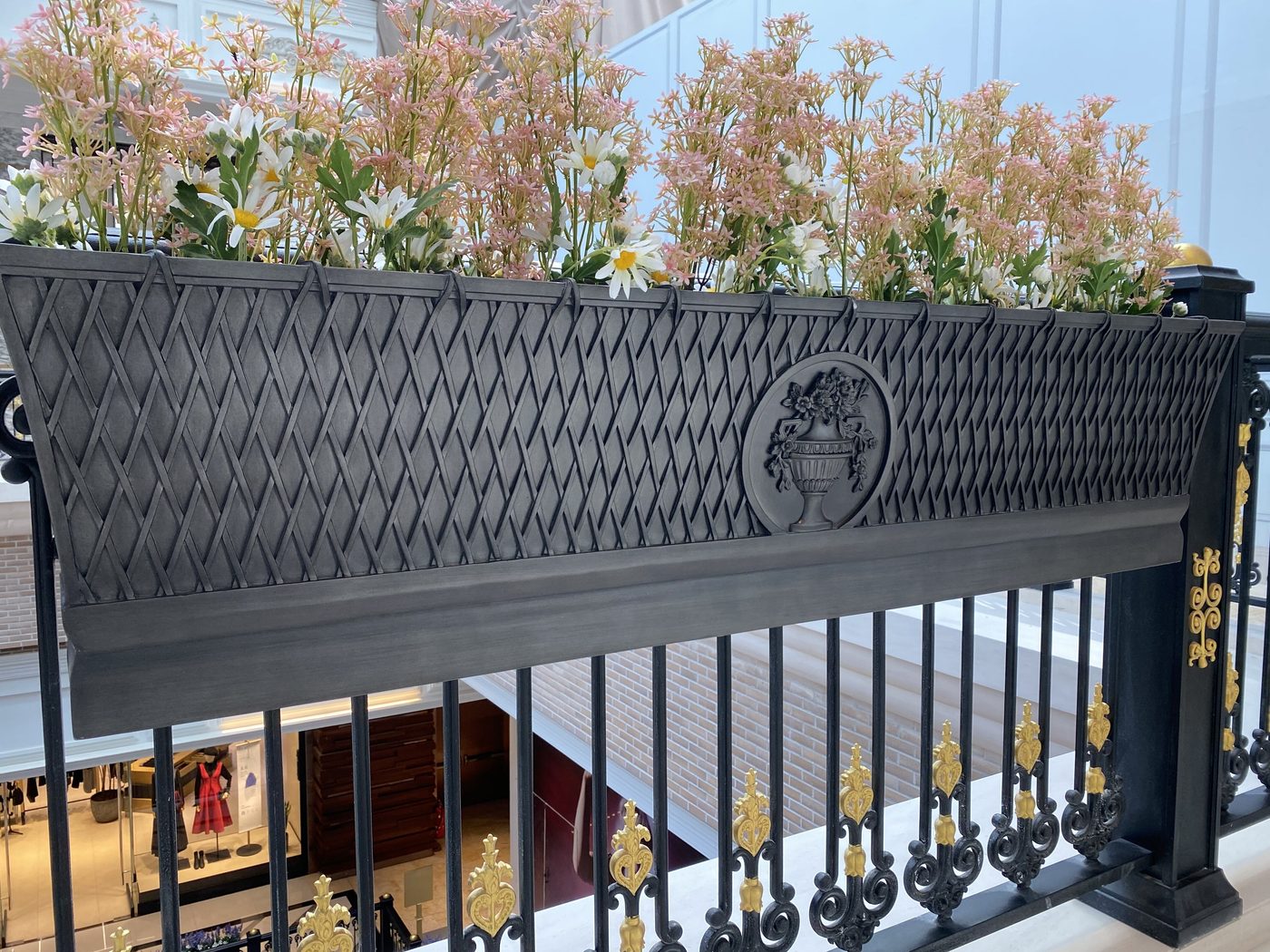
- Contact zones. Pieces within reach of guests need robust fixing, no sharp edges, and finishes that hide handling.
- Kitchen and bar proximity. Grease and steam drift; brushed and textured finishes serve better than raw mirror near open kitchens.
- Programme timing. Venues open on dates. Confirm design freeze, production time, packing and installation as one schedule.
The full selection framework for commercial projects is in how to choose metal artwork for commercial interiors, and the sizing logic in how large should wall art be.
Bringing hospitality artwork into production
KingDeco Studio produces metal artwork, screens and feature pieces for restaurants, bars and clubs—working from interior renderings, wall elevations or reference images, with finish samples before production and installation-ready packing. Explore the screen collection and artwork collection, or contact the studio with your venue's plans.