Oct 5, 2026Buying Guides
Textured and 3D Wall Art: How Depth and Shadow Change a Room
Why 3D and textured metal wall art outperforms flat art—relief, shadow play, viewing angles and lighting. How to choose depth levels and place dimensional pieces.
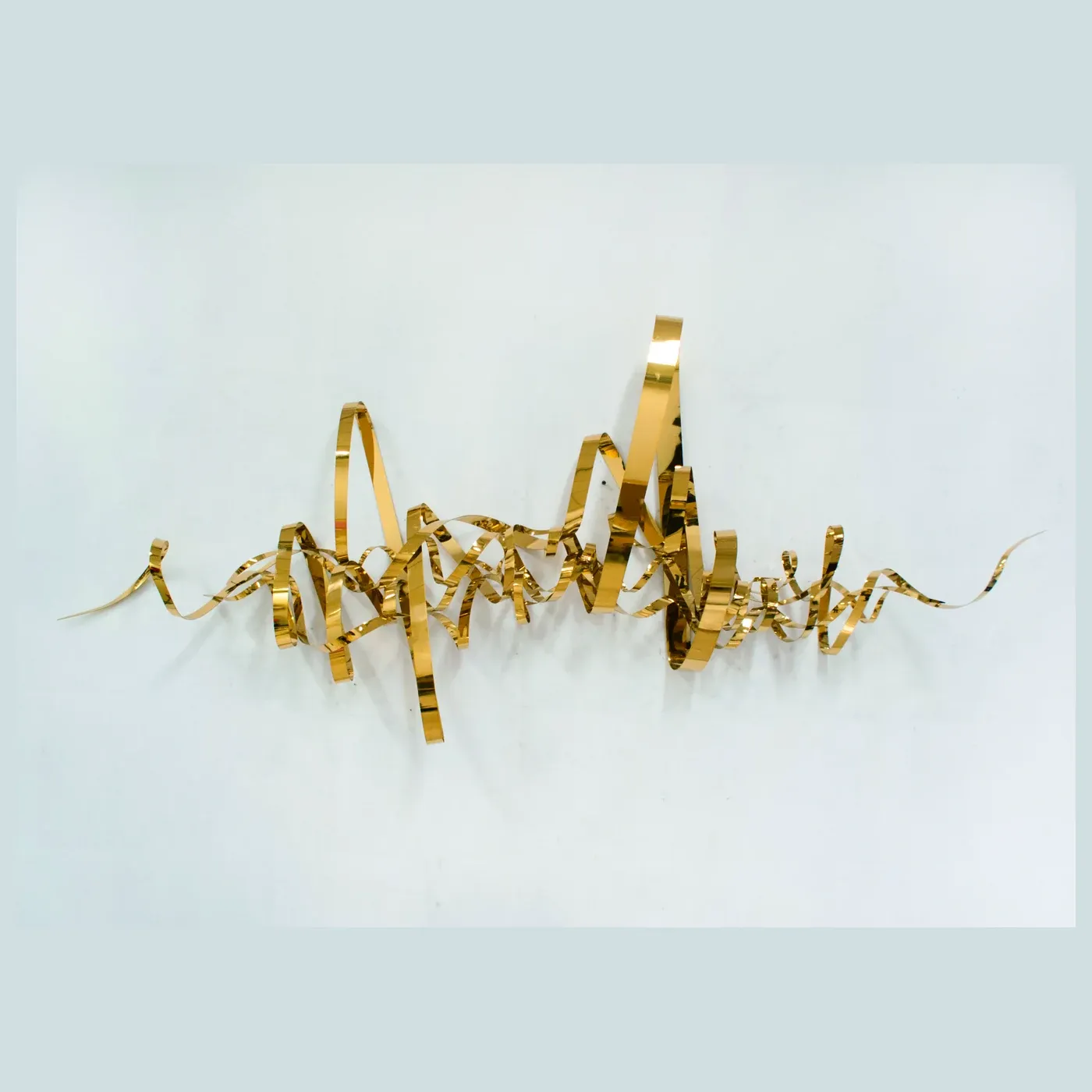
Flat art decorates a wall. Dimensional art changes the wall itself. Relief, layering and sculptural depth turn the surface into something the room interacts with—shadow lines that move through the day, surfaces that respond to every shift of light and viewpoint.
This dimension is metal wall art's home ground, and choosing it well means understanding what depth actually does.
What depth does that flatness cannot
Three effects, all physical:
Shadow. Any element standing off the wall casts a shadow line that shifts with the light source. Morning sun, evening lamps and overhead spots each draw a different version of the piece. The wall gains a second artwork—the shadow field—free of charge.
Viewpoint response. Flat art shows the same image from everywhere. Dimensional art changes: a composition viewed from the doorway reveals layering that disappears head-on and reappears from the sofa. Rooms with multiple viewpoints—almost all living spaces—reward this continuously.
Material presence. Depth makes the material real. A textured metal surface invites the eye to trace edges, facets and folds; the piece reads as crafted rather than printed.
Depth levels: choosing how dimensional
Not every wall wants maximum depth. Three useful levels:
Low relief (2–5 cm off the wall). Texture reads, shadows stay subtle. Suits corridors, stair walls and any position where people pass close.
Medium relief (5–12 cm). The sweet spot for most feature walls: clear shadow lines, real dimension from across the room, still easy to clean around and light.
Sculptural depth (12 cm and beyond). Statement territory—layered compositions and projecting forms for large walls viewed from a distance. Demands deliberate lighting design, because the piece creates substantial shadow patterns.
Textures: the surface vocabulary
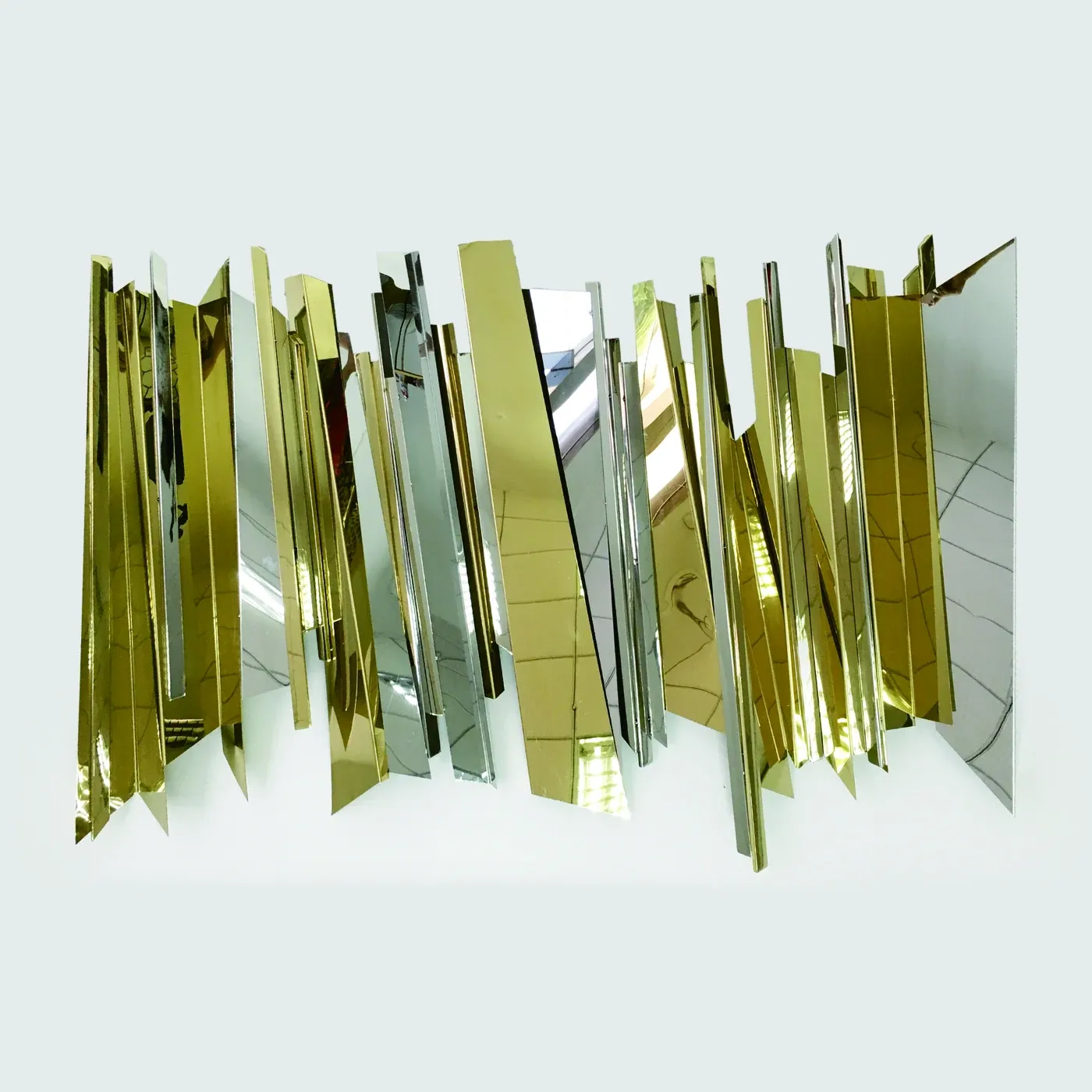
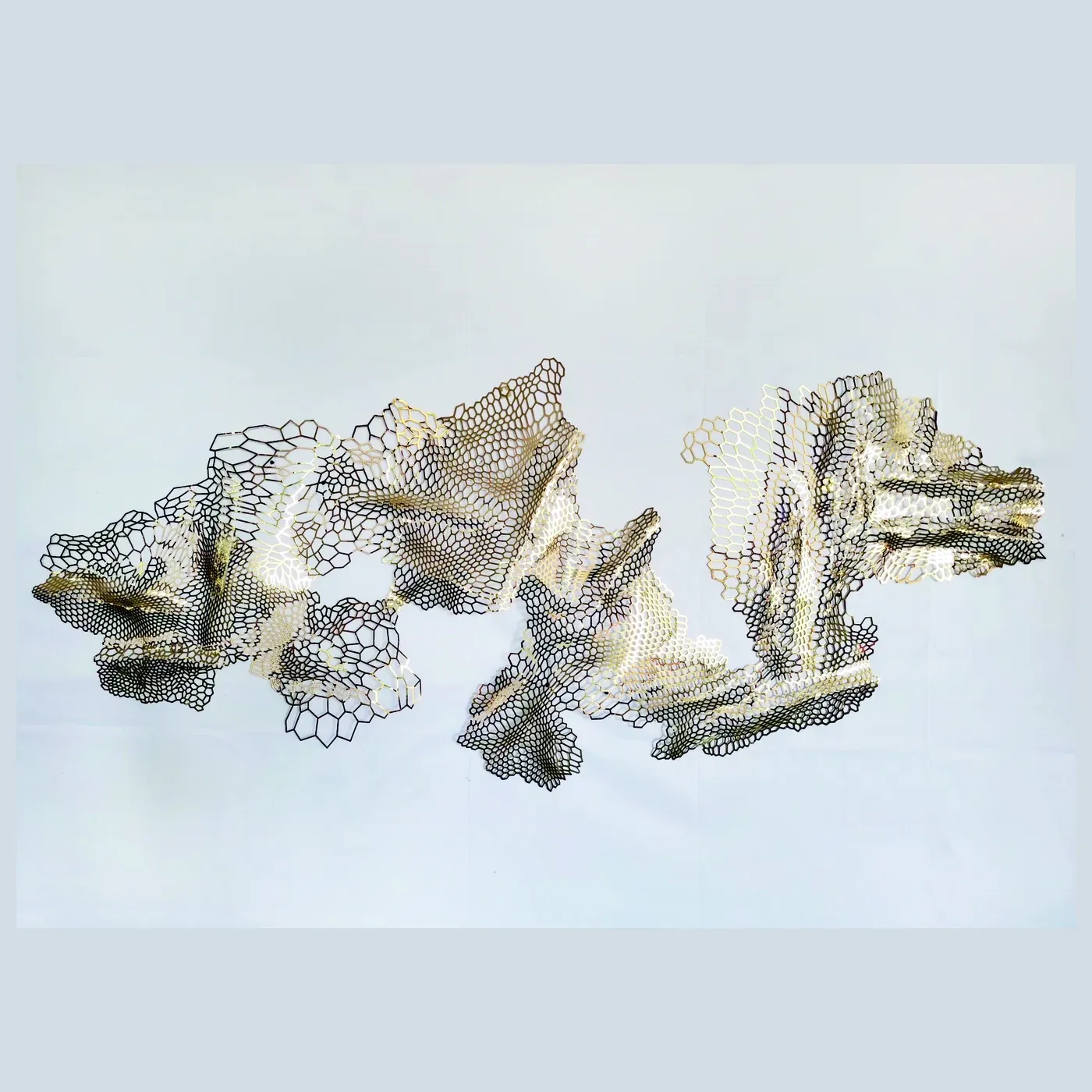
Within any depth level, the surface treatment defines the character: hammered planes that ripple light, woven patterns that reference craft, faceted geometry that sharpens contemporary schemes, perforated screens that project pattern onto surrounding walls, and layered linear elements that draw the eye across the span.
Finish interacts with texture: mirror-polished facets flash as angles change; brushed textures hold light softly across ridges. The base-finish trade-offs are in mirror vs brushed stainless steel, and colour-over-texture in PVD finishes explained.
Lighting dimensional art
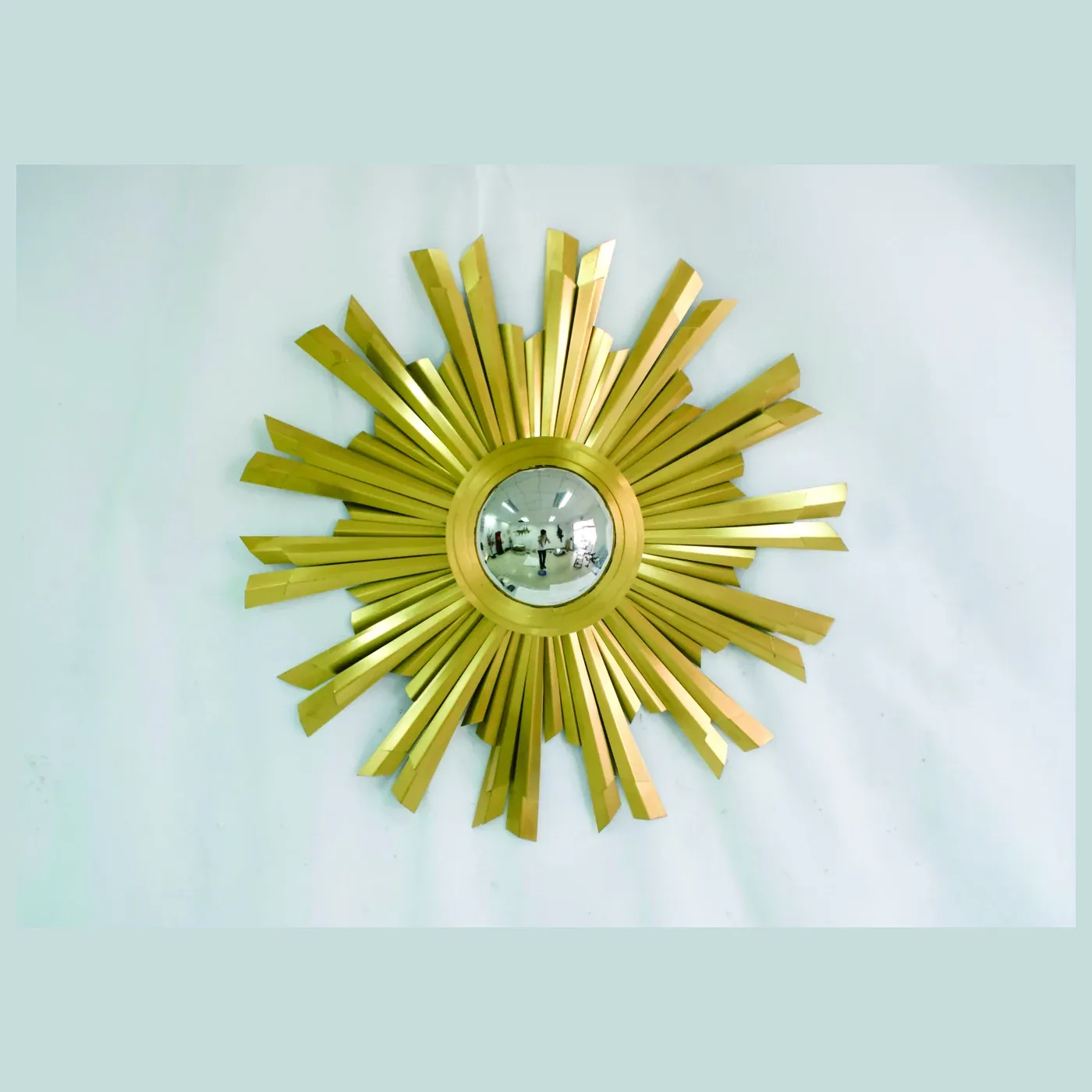
Depth demands lighting attention. Grazing light (raking across the surface from close to the wall) maximises texture and shadow; wash lighting from the ceiling flattens it. For key pieces, a dedicated accent source angled across the relief transforms the wall after dark.
The flip side: dimensional pieces near windows create moving shadows on adjacent walls—often delightful, occasionally chaotic on work surfaces. Check what shares the wall's light.
Cleaning and practical notes
Dimensional pieces collect dust on upturned surfaces and inside reliefs—soft brush vacuuming or compressed air on the periodic rota handles it. The care fundamentals are in the metal artwork care guide. Very deep pieces also project past furniture lines; check clearances beside walkways and door swings.
Where dimension earns its place
Living room anchor walls, entries, hospitality features and office reception walls—anywhere the wall must hold the room—benefit most from dimension. Corridors and tight passages suit low relief.
Choosing a dimensional piece
KingDeco Studio's wall art collection spans low-relief textures to sculptural depth in mirror, brushed and PVD finishes—or contact the studio with your wall dimensions and lighting plan for depth recommendations.