Oct 3, 2026Buying Guides
Wall Art Placement by Room: Living Room, Bedroom, Entryway and Office
Where should wall art go in each room? Room-by-room placement guidance for living rooms, bedrooms, entryways, dining rooms and offices, with heights and common mistakes.

The same artwork can succeed in one room and fail in another. Placement is not a single rule but a set of room-specific decisions: what the wall is used for, where viewers stand, and what furniture anchors the composition.
This guide walks through the rooms where wall art matters most, with the placement logic for each.
Living room: anchor the social wall
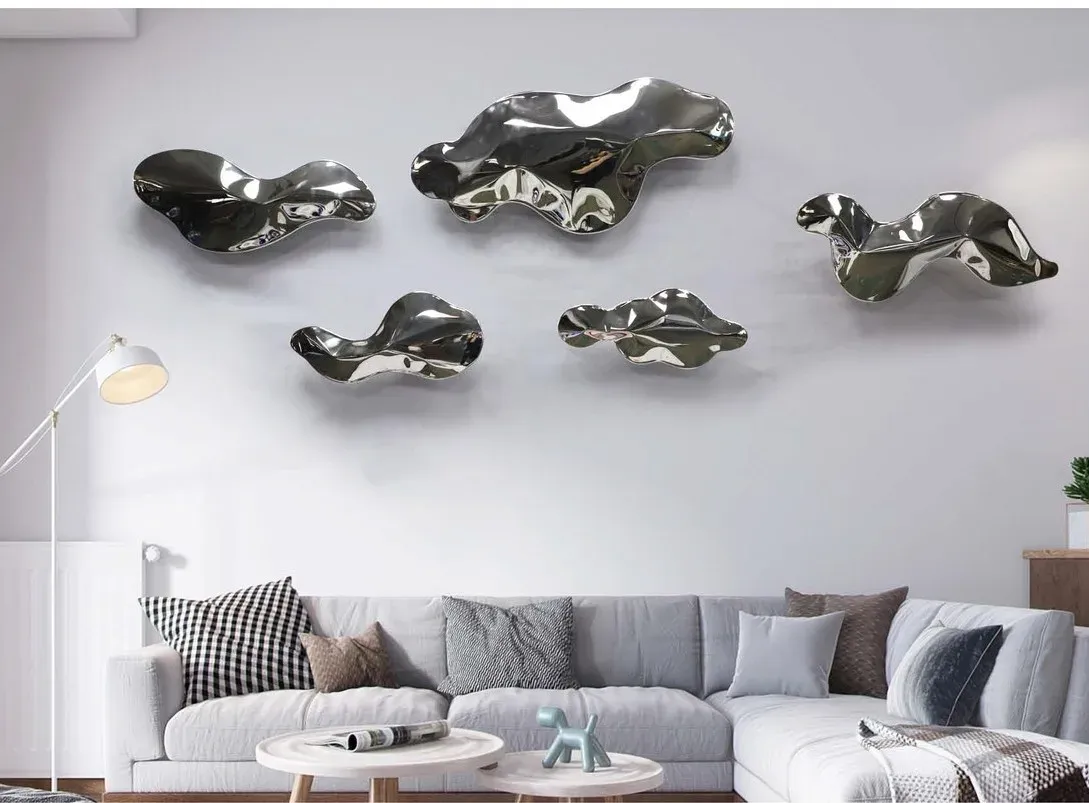
In living rooms, artwork usually belongs above the main sofa or on the wall opposite the seating. The anchor rule applies: the piece relates to the furniture below it, typically spanning most of the sofa's width, hung so its centre sits near eye level for a seated-and-standing mix.
Two common mistakes: art that floats too high above the sofa (creating a disconnected band of wall), and art smaller than the side table beside it (shrinking the whole arrangement). If one piece cannot fill the span, a grouped composition solves it—the options are compared in statement wall art vs a grouped composition.
Bedroom: calm, low and centred
Bedroom artwork belongs above the headboard or low dresser. The bed replaces the sofa as the anchor, and the viewing is horizontal—lying down—so the piece sits lower than in social rooms and stays visually quiet.
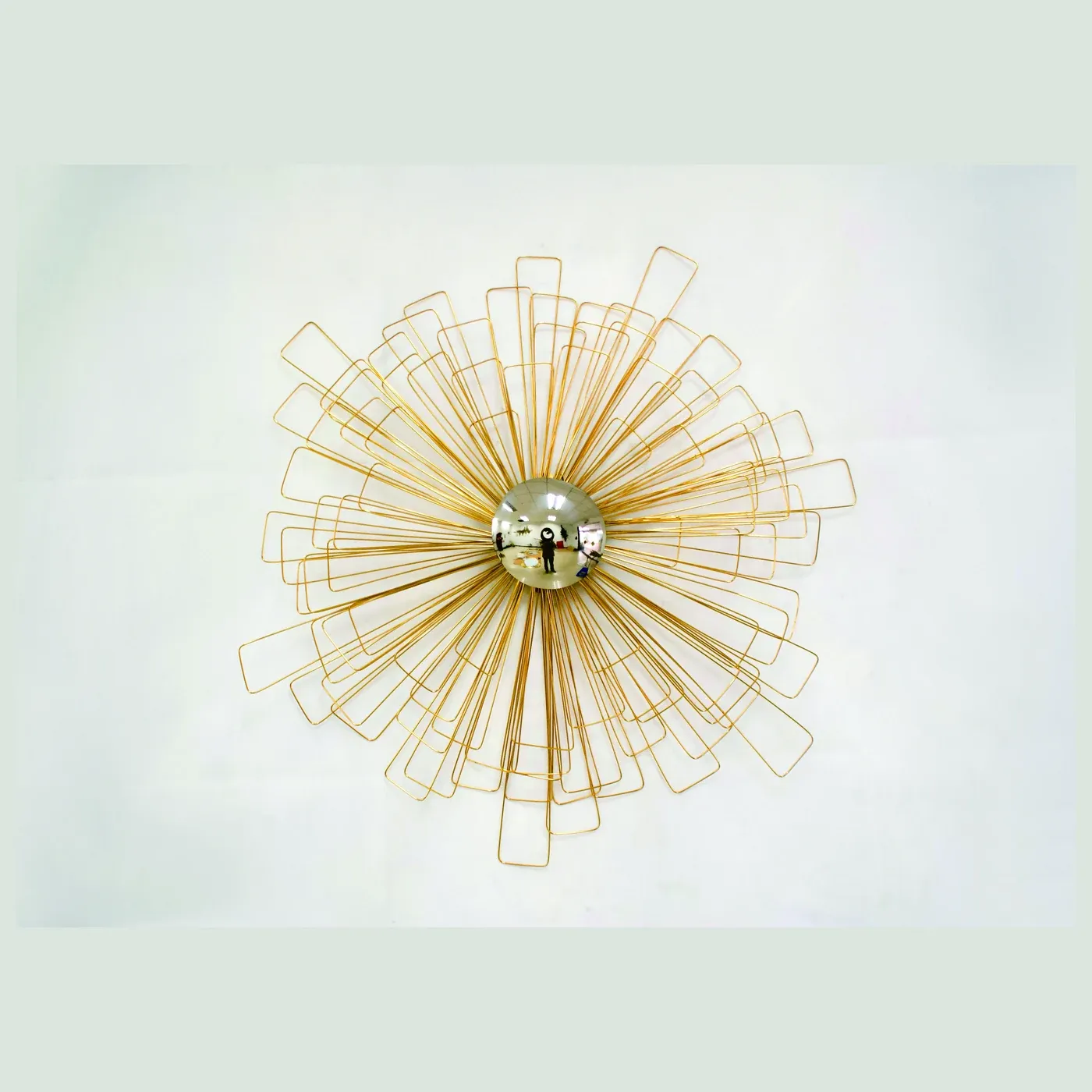
Relief and textured metal pieces work particularly well here: they catch morning and evening light without glare, and their shadows soften rather than energise the room.
Entryway: the first-impression wall
Entry walls are viewed in motion, from a metre or two, for a few seconds. Placement favours a single confident piece at eye level, or a vertical arrangement beside a mirror and console.
Because guests pause here (waiting, shoes, keys), the entry can carry more character than the living room—a conversation piece rather than a background one.
Dining room and office: seat-height sightlines
Above a sideboard or dining console, artwork relates to the furniture exactly as in the living room. In offices and studies, art belongs where the eye lands during pauses—behind the desk chair (seen by visitors on video calls) or facing the desk (seen by the worker).
Video-call backgrounds have quietly become the most-viewed wall in many homes: whatever hangs there is seen for hours every week.
Heights that transfer across rooms
The general anchor principles—centre near eye level, artwork relating to furniture width, clearance above furniture—are covered in detail in the wall art size and placement guide. Room placement adds the second layer: who views the wall, from where, and in what mood.
Floor pieces complete the room
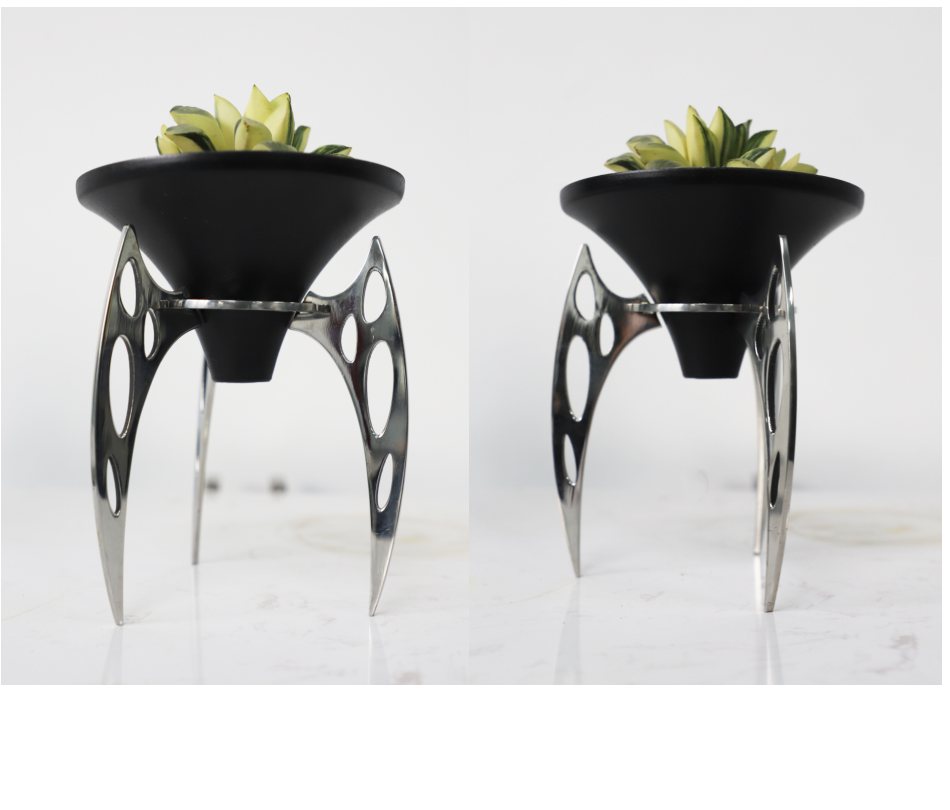
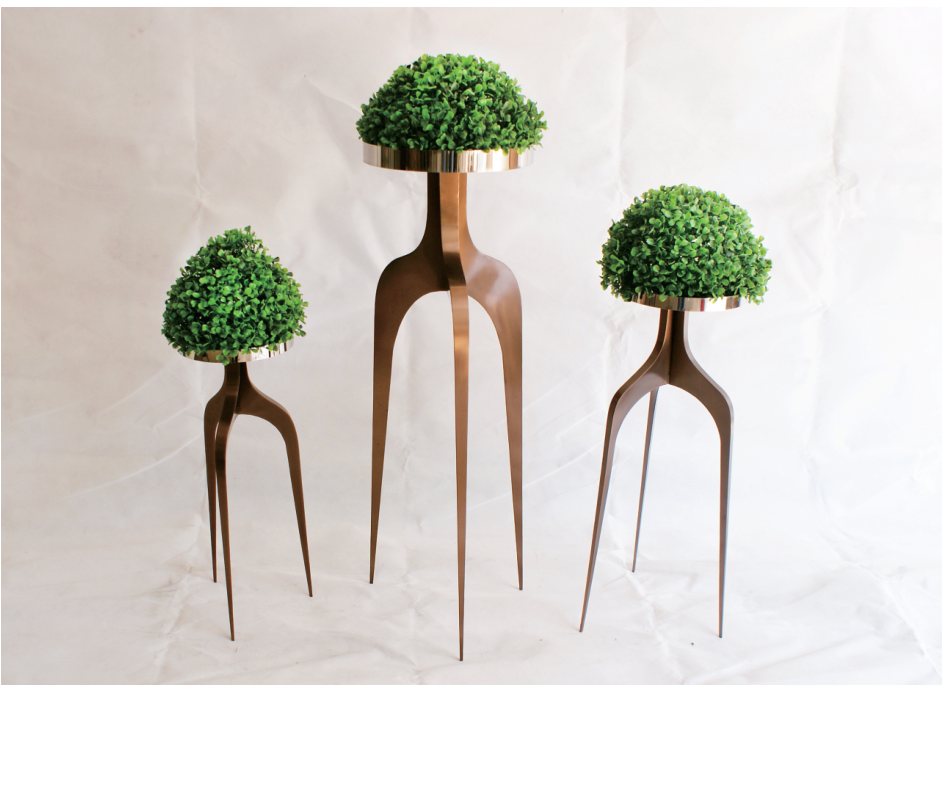
Where walls are busy or windows dominate, sculptural floor pieces and planters carry the art role at ground level—beside consoles, flanking doorways, filling corner dead zones.
Tall plant stands work the same way in pairs, framing a doorway or balancing a large artwork.
Choosing pieces for each room
KingDeco Studio's wall art collection spans statement pieces, grouped compositions and quieter textured works suited to different rooms. For commercial-scale placement decisions, see how large should wall art be, or contact the studio with your room dimensions.