Oct 1, 2026Buying Guides
Hotel Guest Room Wall Art: Choosing Pieces Guests Actually Remember
Choosing artwork for hotel guest rooms and suites? Consider scale above the bed, durable finishes, local character, and the details that make rooms feel designed rather than decorated.
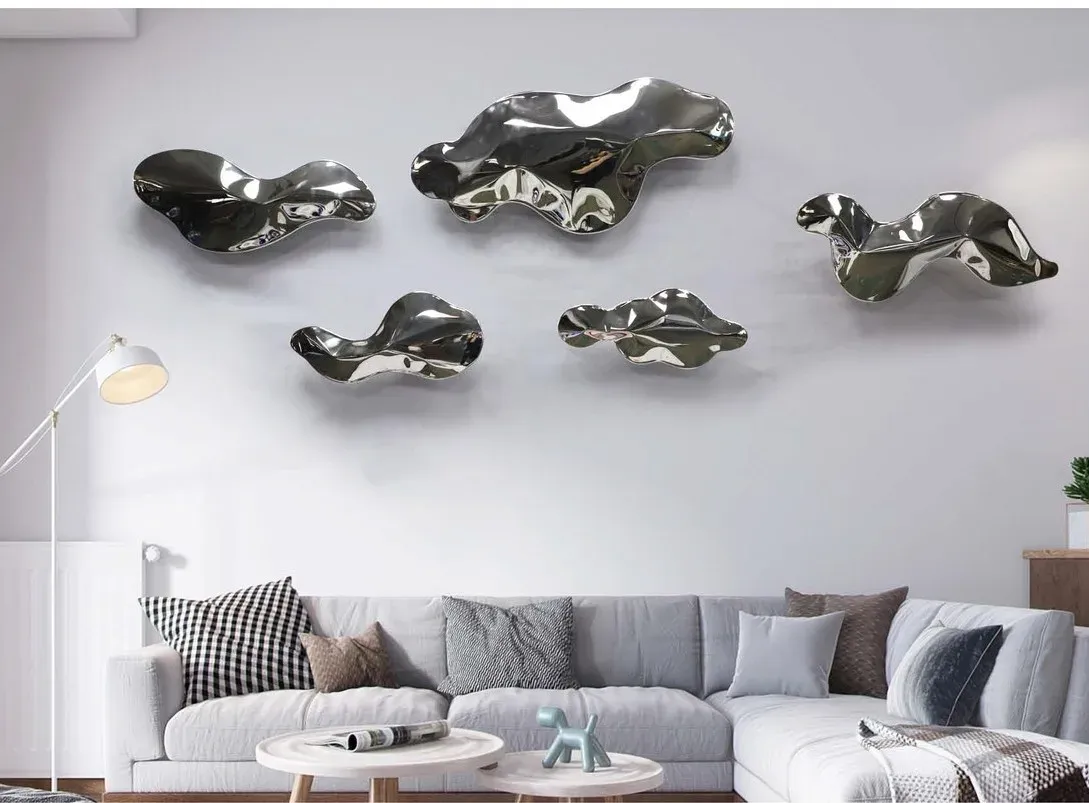
Public spaces win a hotel its reputation; guest rooms are where guests spend twelve hours deciding whether they will return. Artwork is part of that verdict. And guest-room art has its own rules—different from lobbies, different from restaurants—because the viewing is intimate, the dwell time is long, and the same room gets repeated a hundred times down the corridor.
The bed wall is the room's artwork opportunity
In most guest rooms, the wall above the headboard or low bed is the one place designed for a visual anchor. It is what guests see from the doorway and lying in the room's actual furniture.
The scale logic differs from public walls: the piece relates to the bed width rather than to the whole wall, typically spanning a majority of the bed's width and sitting low enough to belong to the furniture composition. The measurement fundamentals are in the wall art size and placement guide.
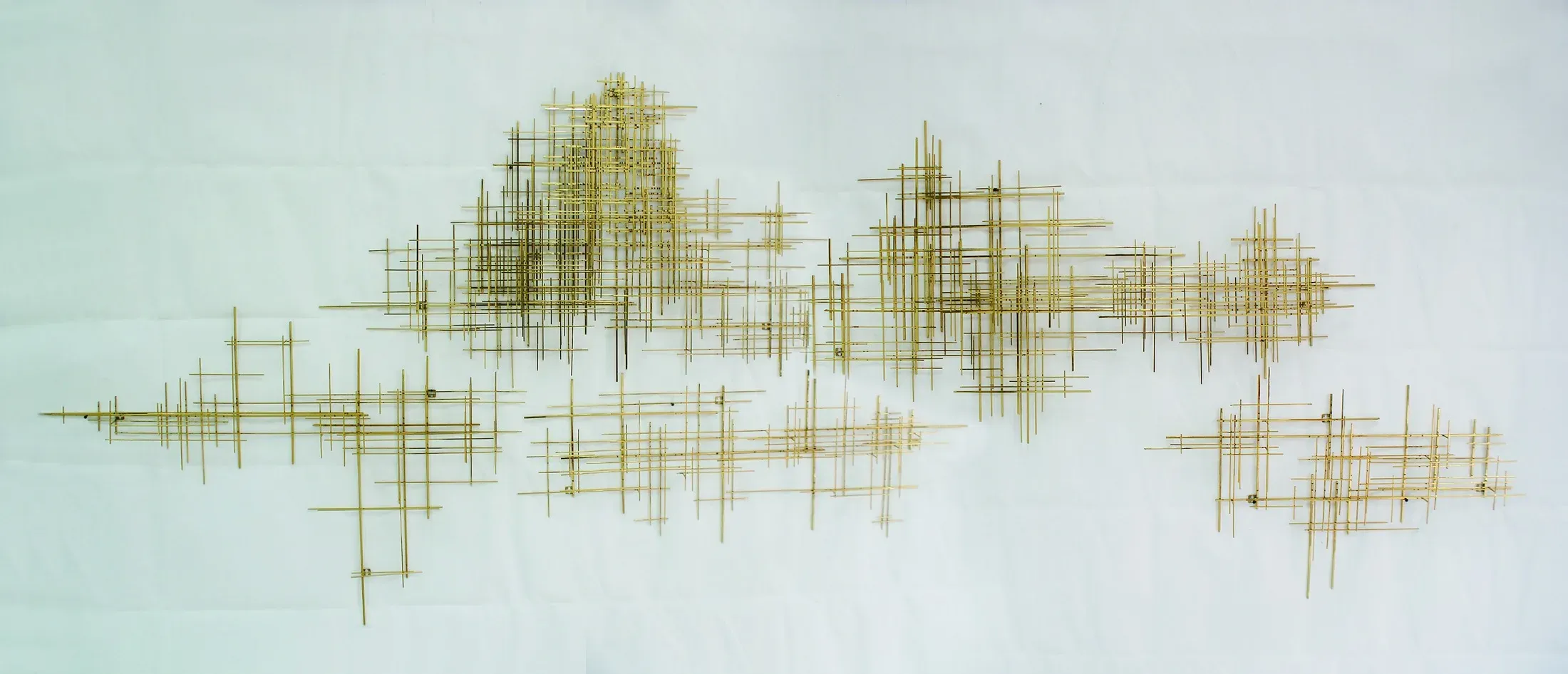
Material choice matters here more than in lobbies. Guests approach the bed wall closely; relief metalwork and textured panels keep their interest at half a metre, and the subtle reflections of satin-finish metal change with the room's lighting through the evening.
Calm beats clever in rooms meant for sleep
Public-area artwork can be provocative; guest-room artwork should settle the room. Pieces with quiet rhythm, flowing line or soft geometric order support rest, while high-contrast or emotionally loud imagery works against the function of the space.
Mirror and satin stainless finishes are effective in rooms because they reflect warm lamplight rather than glare. The finish behaviour—and how mirror and brushed differ—is explained in mirror vs brushed stainless steel, and the colour logic in PVD finishes explained.
The repeat-room problem: same design, many rooms
A hotel floors of identical rooms need artwork that repeats without feeling stamped. Three strategies work:
Variation within a family. One design language produced in several variations—different sizes, orientations or element counts—so no two rooms are identical but the floors read as one collection. Modular and grouped pieces adapt naturally to this.
Zone rotation. The same series distributed so room 1201 and room 1241 meet different pieces, while the corridor still feels coherent.
Finish shifts per floor. The same composition in champagne on one floor and smoked bronze on another ties artwork to wayfinding while keeping freshness.
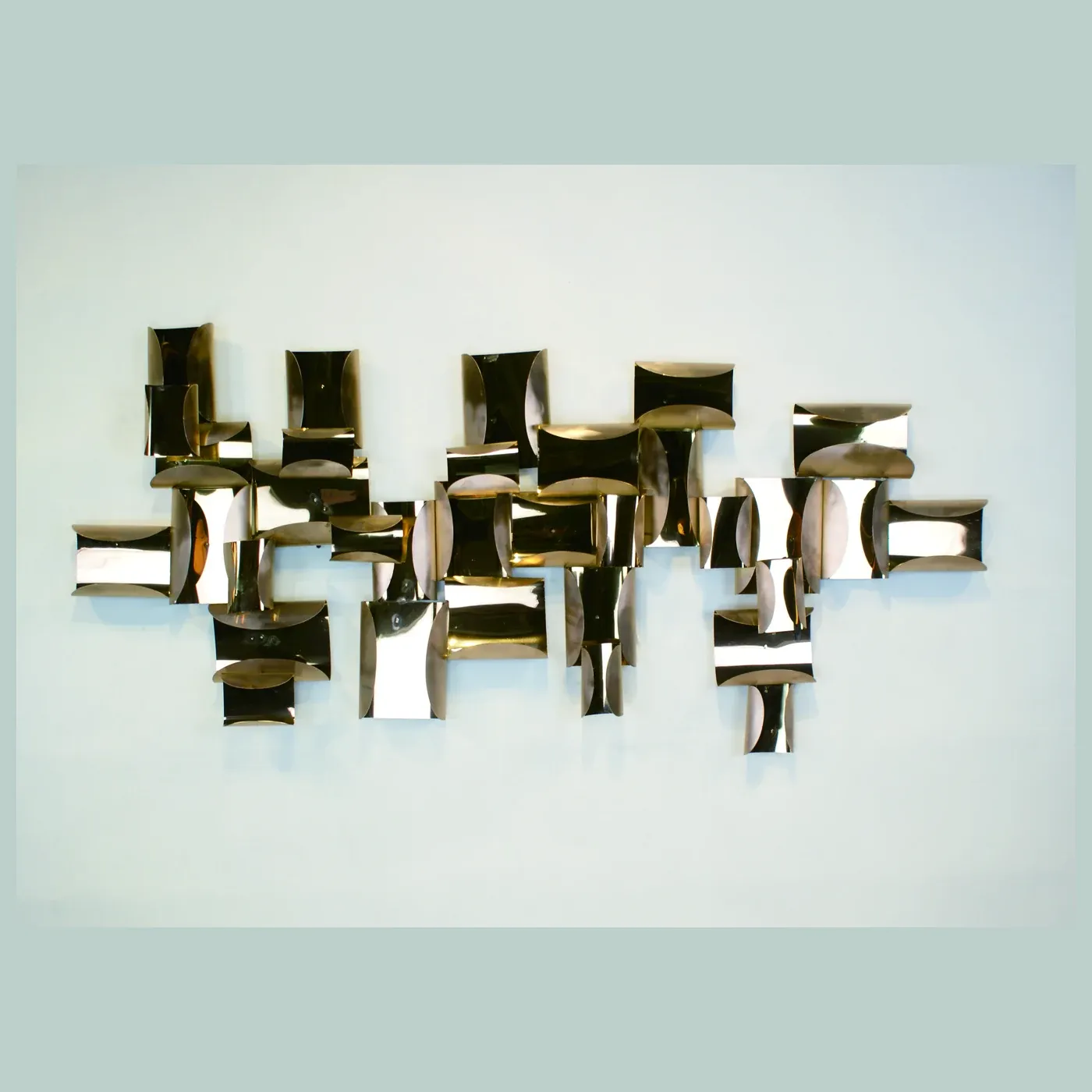
A manufacturer with its own production line can produce these variations as one order rather than fifty separate sourcing exercises—usually the difference between a coherent art programme and an accumulated one.
Durability and safety in sleeping quarters
Guest rooms have their own practical filters. Housekeeping moves through daily with cloths and trolleys; guests hang clothes on anything fixed to the wall; luggage travels close to low furniture. Artwork specification should therefore favour:
- secure multi-point fixing rather than single-hook hanging;
- rounded edges and closed fixings;
- finishes that tolerate frequent wiping (brushed and textured hide handling better than raw mirror);
- pieces fixed above furniture height where trolleys pass.
None of this excludes metal artwork—stainless is among the most housekeeping-tolerant materials—but it excludes careless installation details.
Suites: the place to go further
Suites justify the pieces that standard rooms cannot carry: larger sculptures, freestanding works, grouped compositions over sofas and writing desks. A suite is also where the hotel's collection conversation happens—guests who fall in love with a piece have time to ask about it, which is why suites increasingly carry branded, purchasable artwork.
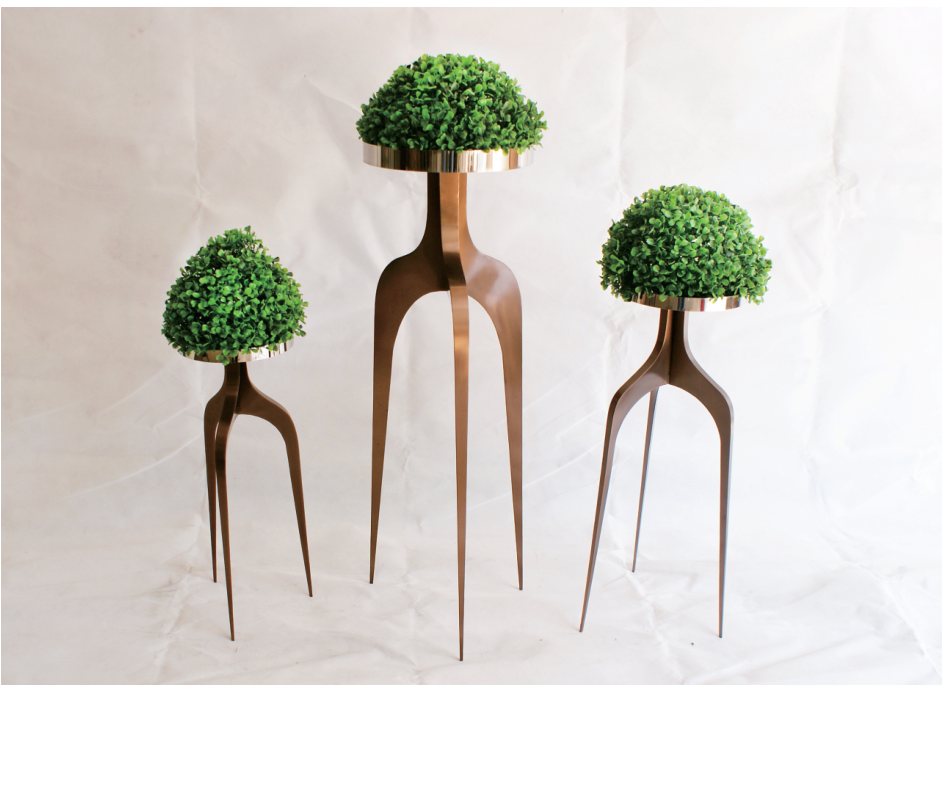
Sculptural planters and floor pieces extend the art programme to the room's corners and entrance, warming the transition from corridor to room.
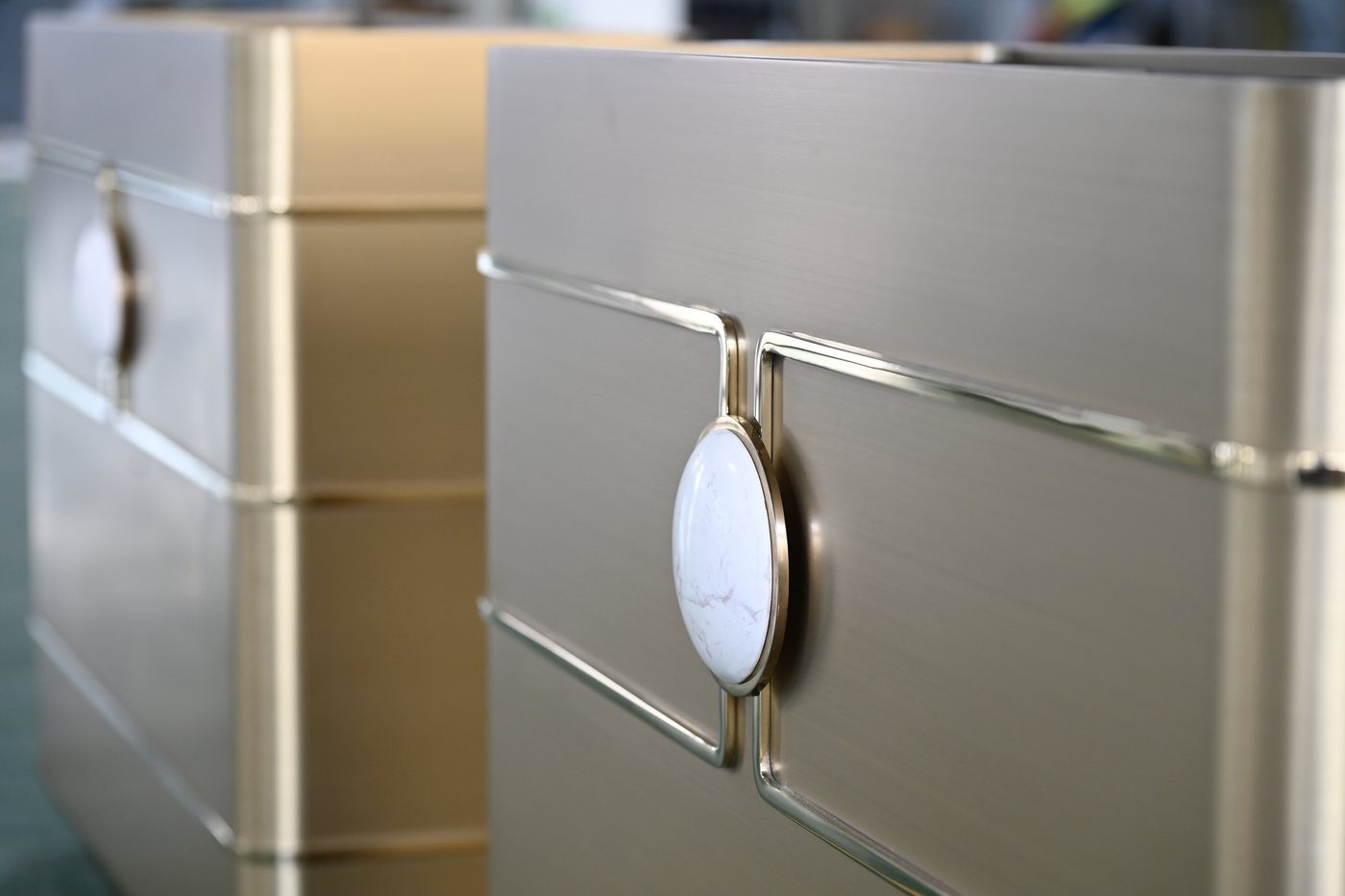
Tying rooms to the whole property
The strongest art programmes read as one story: a public-area statement piece establishes the palette and character; floors echo it in quieter variations; suites carry the boldest interpretations. Guests experience the property as designed, not decorated.
The public-space selection framework is in how to choose metal artwork for commercial interiors, and the finish-mixing logic in how to mix metal finishes in one interior.
Developing a guest-room art programme
KingDeco Studio supplies hotels with metal wall art, sculpture and planters—collection pieces for standard rooms, variations and custom development for suites and public areas, with finish samples, project packing and consolidated shipping. Browse the wall art collection or contact the studio with your room counts and elevations.